The suite gets weeks of thought. The deck, the category, the terrace, the dates, all of it gets weighed and re-weighed. The flights get a panicked afternoon roughly two months out, usually after the good fares and the good seats are gone. I see this on nearly every booking, and it is backwards. The air is the part of a luxury cruise that people plan last and most often get wrong, and it is also the only piece that, done wrong, can cost you the entire voyage.

I plan travel for a living and I sail Explora myself, so I have watched this pattern enough times to treat the flights as the first thing I think about, not the last. This is not the mechanics post. The full booking window, the airport-per-port map, and the how-far-ahead math live in my reference guide on when to book your flights. This is the field note: what actually goes wrong, and how I keep it from going wrong for the people I book.
The flights for a 2027 sailing may not exist yet
Here is the first thing that trips people up, because it runs against intuition. You book a cruise a year or more out, you feel organized, and you go to lock in flights the same week. The flights are not there.
Airlines sell seats on a rolling window of about 11 months, and they load new dates in batches rather than all at once. So a sailing eighteen months away has no bookable flights attached to it. None. The route opens later, closer to departure, in pieces. There is nothing broken and nothing to fix. The window simply has not started yet.
What this means in practice: the day you book the cruise is not the day you book the air. They are two different moments, sometimes the better part of a year apart. The mistake is treating them as one task and then either booking nothing, or booking a placeholder fare you overpay for because it is the only thing showing. The right move is to know the opening date and watch from there.
The airport is usually not at the port
The second mistake is geographic, and it is the one I correct most. People assume the airport shares a name with the cruise port. It rarely does.
Explora sails from Civitavecchia, and you fly into Rome. Southampton routes through London. Seward, the Alaska gateway, has no jet airport, so you fly into Anchorage and continue by road or rail. Monte Carlo flies into Nice. These are examples, not the full list, and the flight-timing tool maps each Explora embarkation port to its real gateway so you do not book a ticket to a city an hour and a half from where the ship actually is.
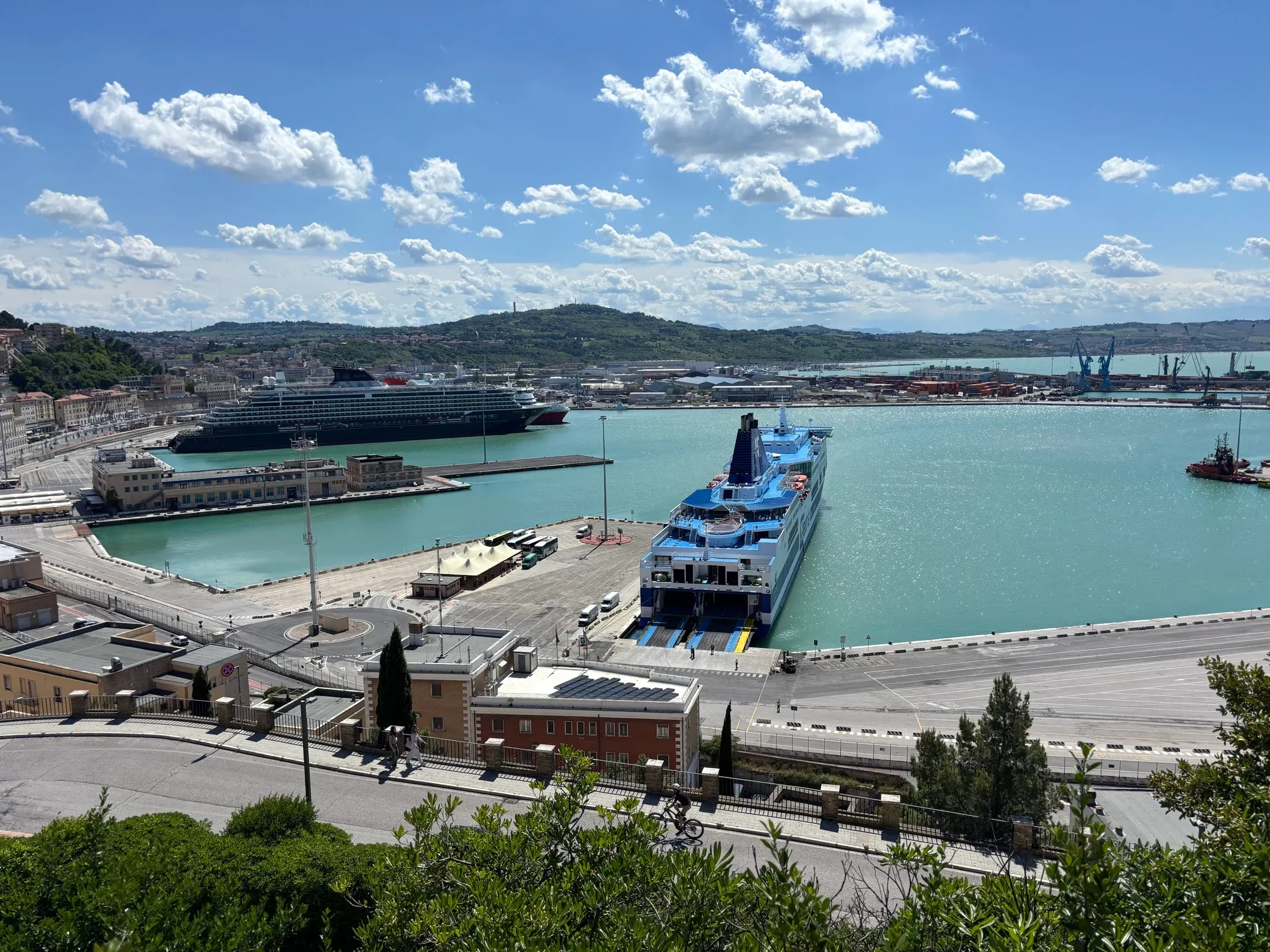
I have caught more than one client about to book into the wrong airport, or into the right one with a connection so tight it leaves no margin on a day that has no margin to give. A few minutes spent confirming the gateway saves a frustrating transfer and, in the worst case, a ticket you have to rebook.
Earlier is not automatically cheaper, and neither is later
The third mistake is believing there is a single magic moment, then waiting for it. There is not. The day the window opens is not reliably the cheapest fare, and the last minute is almost never the cheapest fare. The honest answer is a range.
For most international cruise gateways, booking two to five months before departure lands the best balance of fare and seat availability. That is the window I watch for clients. The exception is the front cabin. Business and first seats are limited on any given flight, and they sell down earlier than economy, so if that is how you want to cross an ocean, you book earlier in that window rather than gambling on the last seats. Premium cabins reward moving sooner. Economy rewards patience inside the range, not patience past it.
So no, do not pounce on opening day, and do not wait for a fire sale that this kind of travel does not produce. Watch the route through that two-to-five-month window and book when the fare and the seat you want line up.
The one rule I never bend: arrive the day before
Everything above is a matter of fare and convenience. This one is a matter of not losing the trip.
Arrive at least a day before you sail. Always. A ship does not wait, and a missed connection on embarkation day is not a delay you absorb at the gate. It is a sailing you watch leave without you, with no rebooking onto a vessel already at sea. I have planned enough travel to know that the day you cannot afford a hiccup is the day a hiccup is most likely to find you, so I build the buffer in deliberately.
A pre-cruise hotel night near the port is the cheapest insurance in this entire plan. You land, you sleep, you board rested instead of frayed, and the one risk that can cost you the whole voyage is gone. I keep a running set of recommendations in my pre-cruise hotel pairings guide, matched to the embarkation cities Explora actually uses. The night before is not an indulgence on top of the trip. It is part of the trip working at all.
Three ways to handle the air
When it comes to actually buying the tickets, you have three roads, and I will tell you plainly what each one costs you.
Book your own. You keep total control: your airline, your routing, your miles, your seat map. This is the right call if you have a strong frequent-flyer preference or a routing you insist on, and you do not mind watching the fare yourself across that two-to-five-month window.
Take the cruise-line air. It is convenient, it is one less thing to manage, and on some fares it adds a layer of protection if a delay threatens your embarkation, which is a real benefit on a day where missing the ship is catastrophic. The trade is that it usually costs more and gives you less choice over airline and routing. For some travelers the protection is worth the premium. For others it is paying more for less control.
Hand it to me. For clients I book the sailing for, the flights become part of the job if you want them to be. I note when the route opens, set a watch on it, and reach out the moment your dates go on sale, then again when the fare looks worth booking. And I can book the flights for you. You keep your airline and your miles, or you hand the whole thing over, and either way you are not the one refreshing a search every morning for three months. The cruise fare is the same in every channel, so this attention rides on top at no extra cost.
That is the real reason I treat the air first instead of last. The people who get it wrong are not careless. They are busy, and the flights are genuinely the easiest piece to defer until the choices have narrowed and the good fares have moved. My job is to keep that from happening to you.
Questions people ask
Why are the flights for my cruise not bookable yet? Because airlines sell seats on a rolling window of roughly 11 months and load new dates in batches, not all at once. A cruise often gets booked a year or more ahead, so when you go to reserve flights for it, the schedule frequently is not open yet. Nothing is wrong. The window simply has not started. The fix is to note when your dates go on sale and watch at the right moment instead of refreshing an empty search.
Do I fly into the same city as my cruise port? Often not. The gateway airport is usually the nearest major international one, which is not always at the dock. Civitavecchia sailings fly into Rome, Southampton routes through London, Seward in Alaska flies into Anchorage, and Monte Carlo flies into Nice. Checking the actual gateway before you book the wrong airport is the single most common air mistake I correct. The flight-timing tool maps every Explora embarkation port to its airport.
How far ahead should I actually book the flights? For most international gateways, two to five months out balances fare and seat availability. The day the booking window opens is not automatically cheapest, and the last minute almost never is. The exception is premium cabins: business and first seats are limited and sell down early, so if that is how you want to fly, book earlier in that window rather than waiting it out.
Should I arrive the day before the cruise or fly in on sailing day? Arrive at least a day early, every time. A ship does not wait. If a connection slips or a bag goes astray on embarkation day, you can miss the sailing entirely, and there is no rebooking onto a ship that has left the dock. A pre-cruise hotel night near the port is cheap insurance against the one delay that can cost you the entire voyage.
Should I book my own flights or let the cruise line do it? There are three ways. Book your own and keep full control of airline, routing, and miles. Take the cruise-line air, which is convenient and sometimes adds protection if a delay threatens embarkation, but usually costs more and gives you less choice. Or hand it to me. For booked clients I watch the route from the day it opens, tell you when to book, and can book the flights for you, so you keep the control without watching fares every day.
Can you book the flights as well as the cruise? Yes. For clients I book the sailing for, the air is part of the job if you want it to be. I note when the route opens, set a watch on it, flag the moment your dates go on sale and again when the fare looks worth booking, and I can book the flights for you. The cruise fare is identical in every channel, so this attention rides on top at no extra cost.
If you have a sailing in mind, send me your dates and your home airport along with the suite tier you are considering, and I will fold the flight window into the plan from the start instead of leaving it for the panicked afternoon two months out.
— Justin