Eight nights, round-trip from Venice, on Explora I with my family. We woke up in a different country most mornings: Croatia, then back along the Italian coast, then Montenegro, and home to the lagoon. This is the part of an Adriatic Journey nobody sells you on a spec sheet, the actual texture of the week, so I’m telling it the way I’d tell a client over coffee, with my own photos rather than a brochure’s.
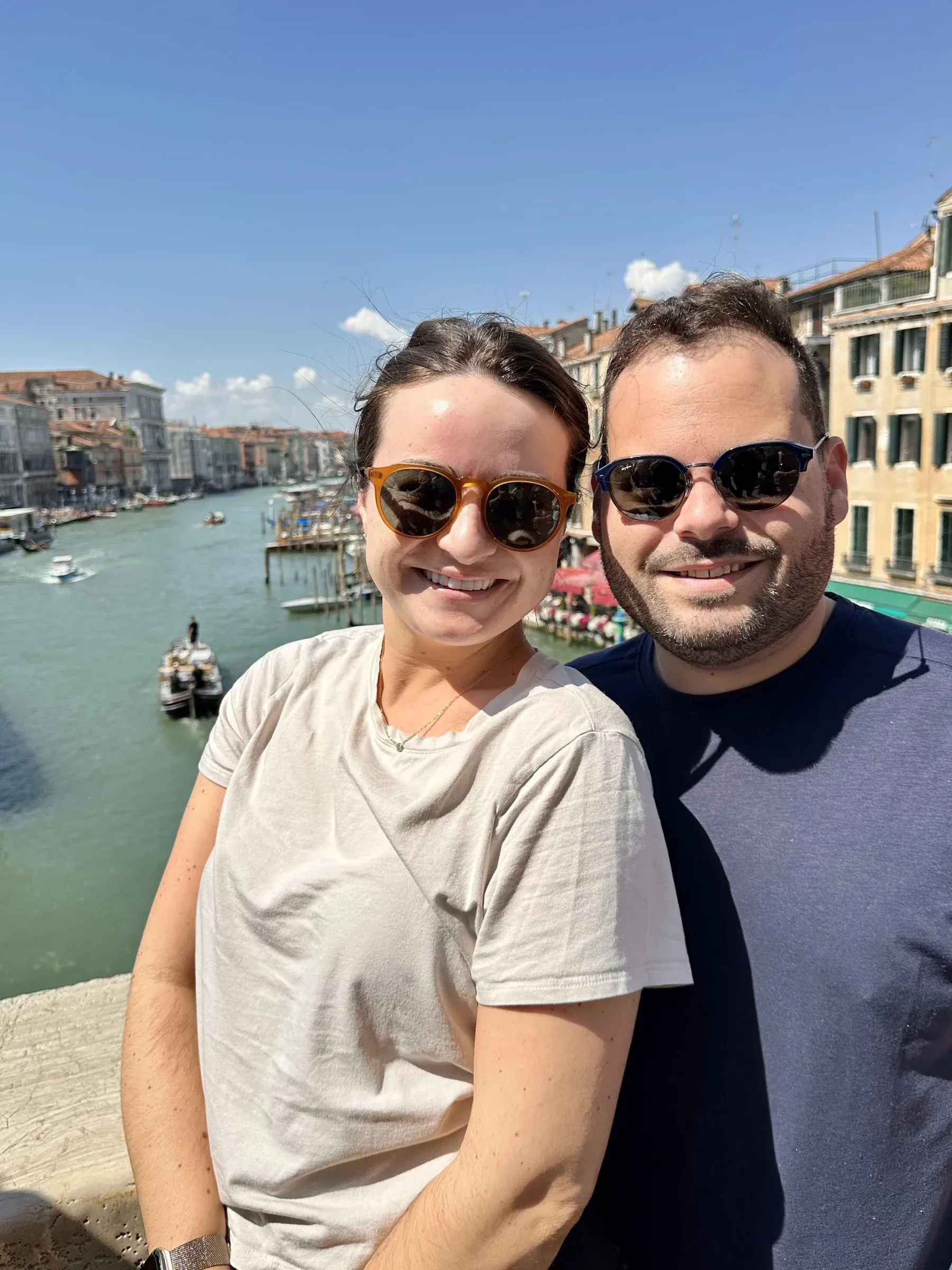
Venice, before the lines come off
You board in Venice, which means you should arrive a day early and give the city its due before the ship pulls you out of it. We did. A morning along the back canals, the ones the day-trippers skip, where the water slaps the stone and a boat full of vegetables goes by like it’s the most ordinary thing in the world.
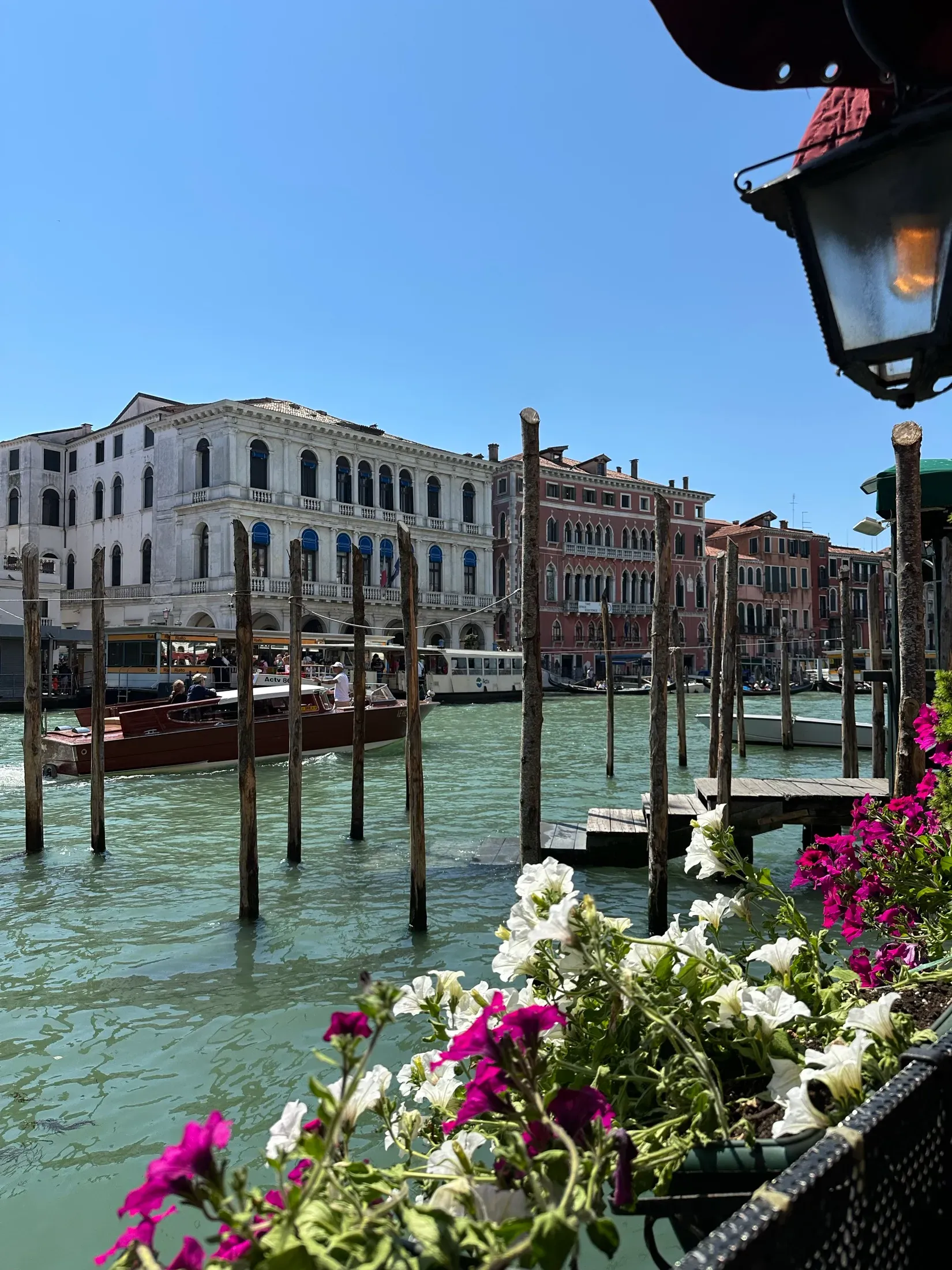
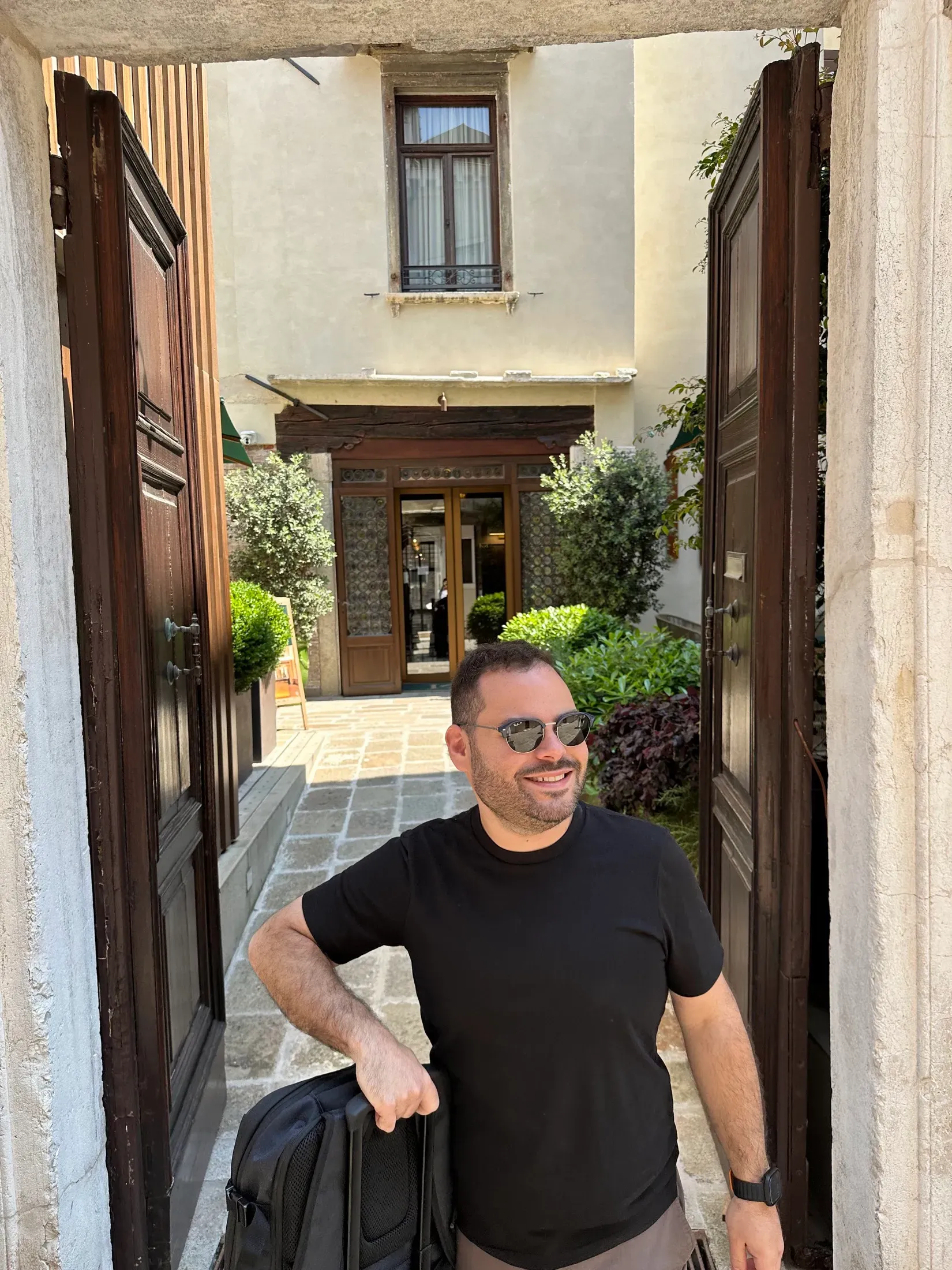
By afternoon the bag was packed and we were at the terminal. Embarkation on Explora I is the first thing that signals you’re not on a mainstream ship: there’s no cattle-chute queue, no numbered group, just a check-in that takes minutes and a Host walking you to your suite. The ship carries up to 922 guests, not three or four thousand, and you feel the difference at the gangway before you feel it anywhere else.
The suite, which is where the week happens
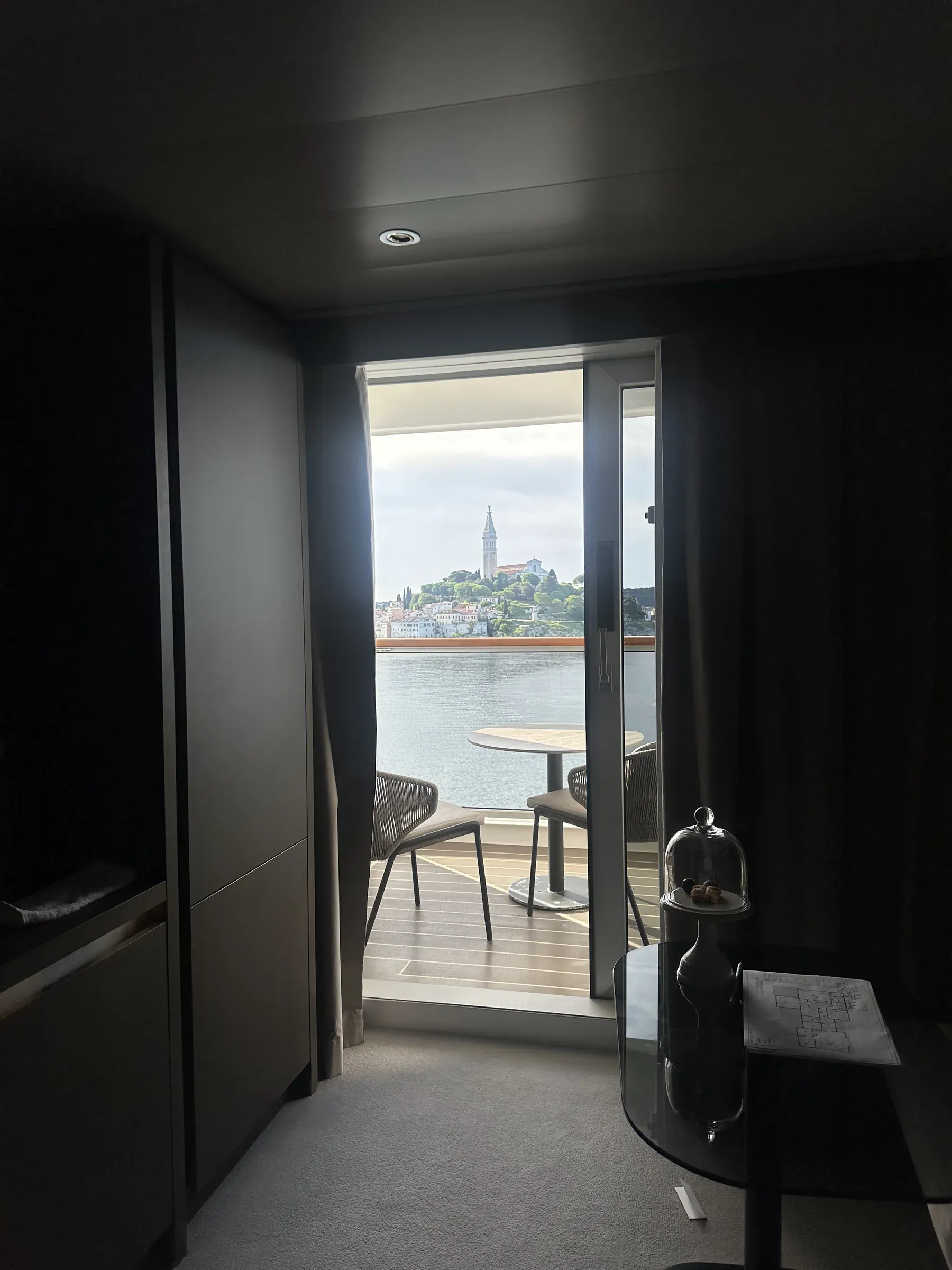
I’ll say it plainly: the suite is the reason this works for a hotel traveler. Every suite on Explora I is oceanfront and every one has a terrace, so there’s no inside room, no compromise category, no “garden view” that means a wall. Ours opened straight onto the water.
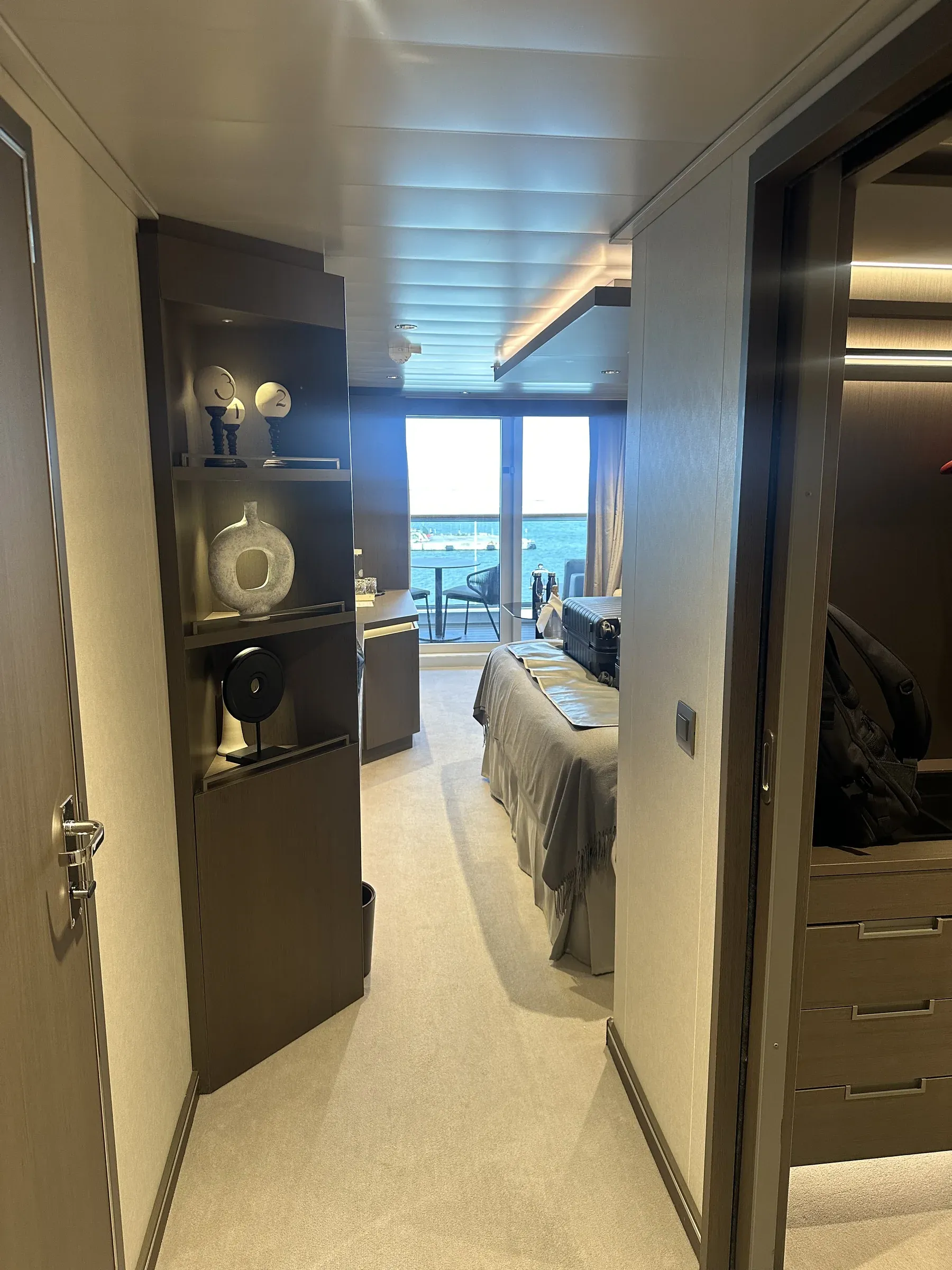
The thing the deck plan can’t tell you is how much you live on the terrace. We took breakfast out there most mornings, the coast sliding by past the rail, and it became the room we actually used. The interior is design-led without being precious: a long sofa, real shelving, a bathroom that doesn’t feel like a ship’s. Here’s the walkthrough, because a still photo undersells the space.
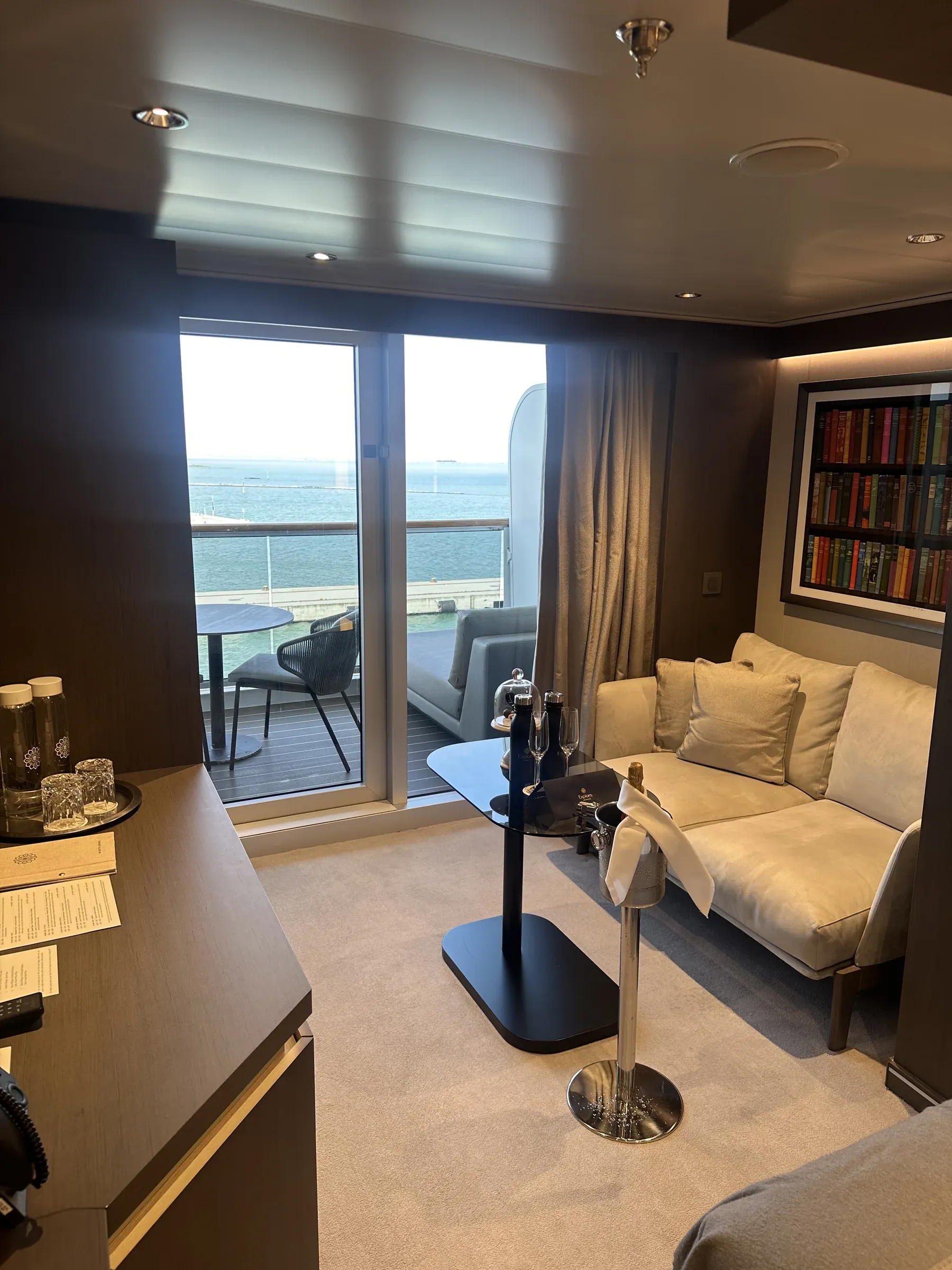
What I keep coming back to is the window. On a sailing day you’re never far from one, and the sea is always doing something out of it. I worked a couple of mornings from the sofa with the terrace doors open, which is not a sentence I get to write about most ships.
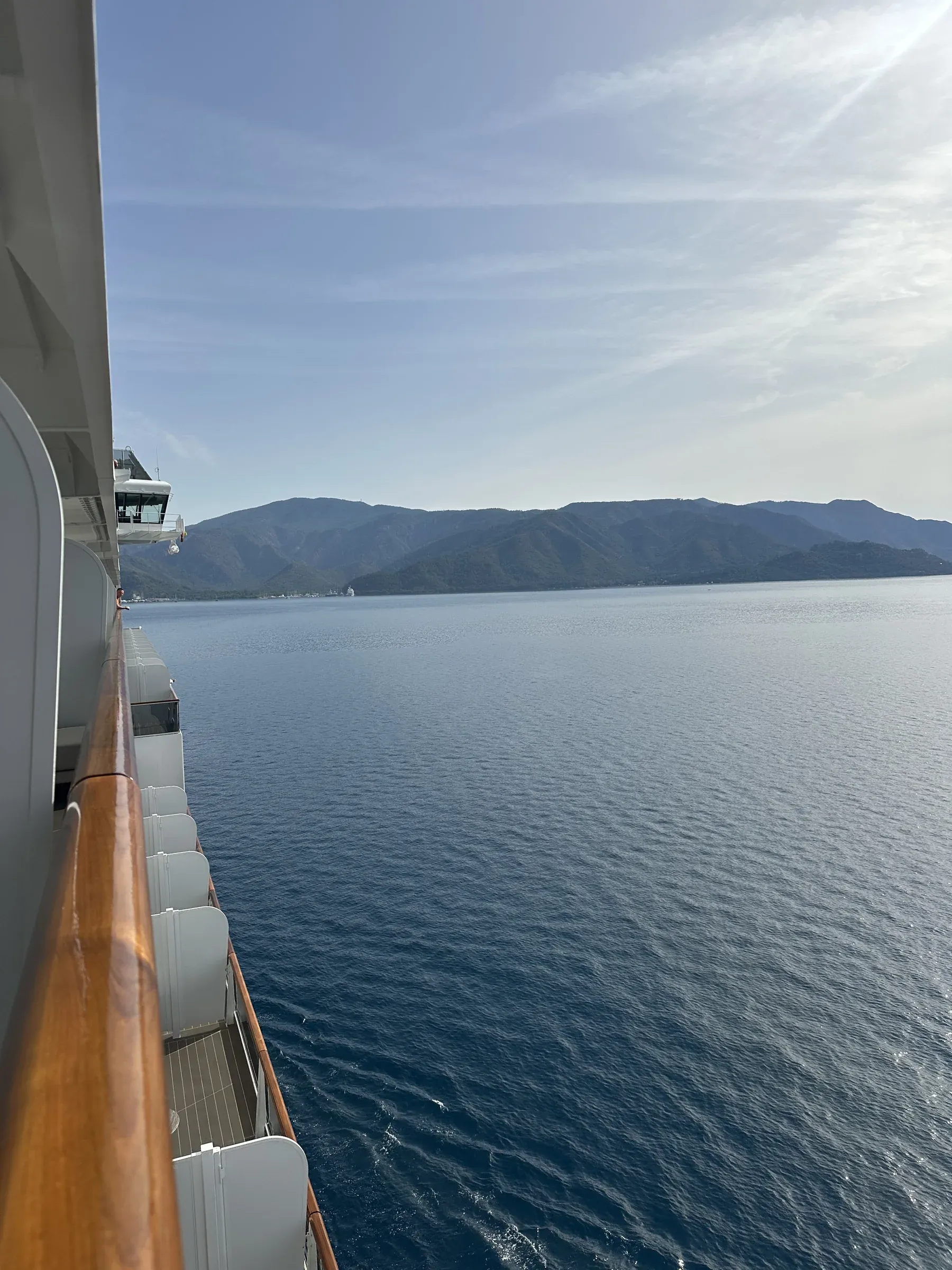
Rovinj, at anchor off the old town
Our first port was Rovinj, on the Istrian coast of Croatia, and Explora I doesn’t dock there. She anchors off the old town and you go ashore by tender, which on a calm May morning was a five-minute hop with the bell tower of St. Euphemia growing in front of you the whole way.
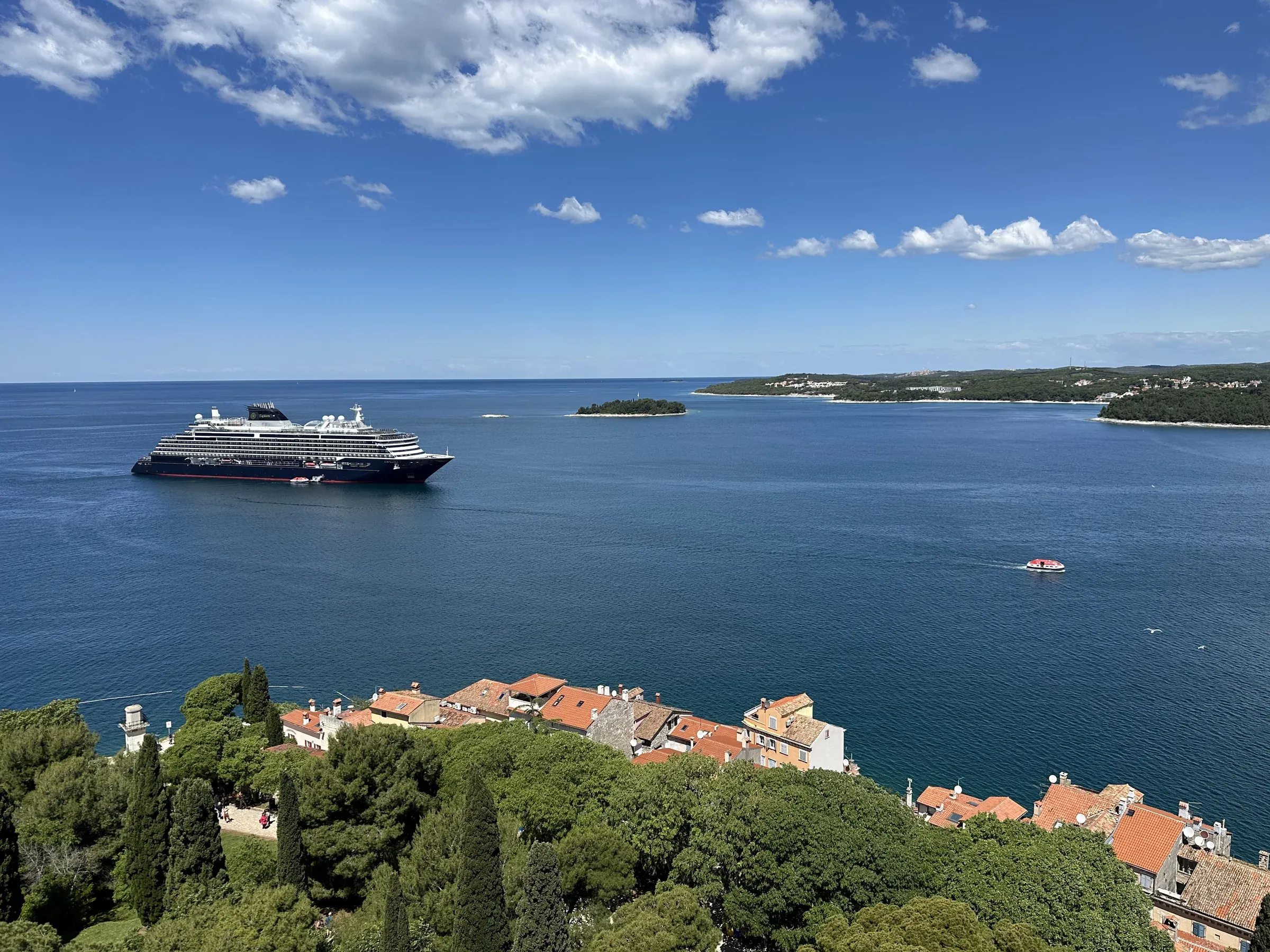
Rovinj is a stack of ochre and terracotta houses climbing to that one church, and the move is to climb with them. We went up early, before the cruise-tender crowd, and found the overlook above the harbor mostly to ourselves: the old town on its little peninsula, our ship sitting quietly offshore, the Adriatic flat and pale behind it.
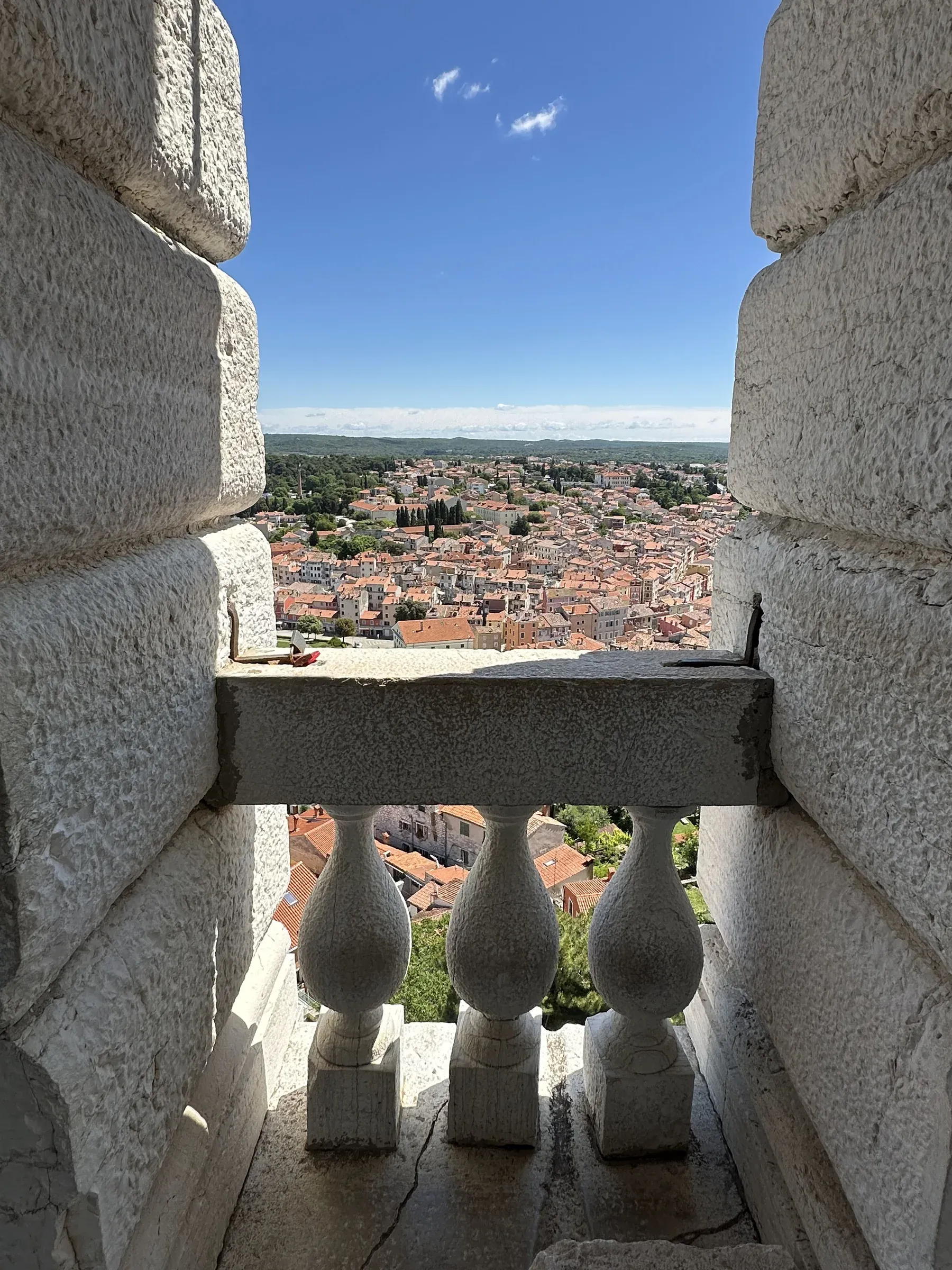
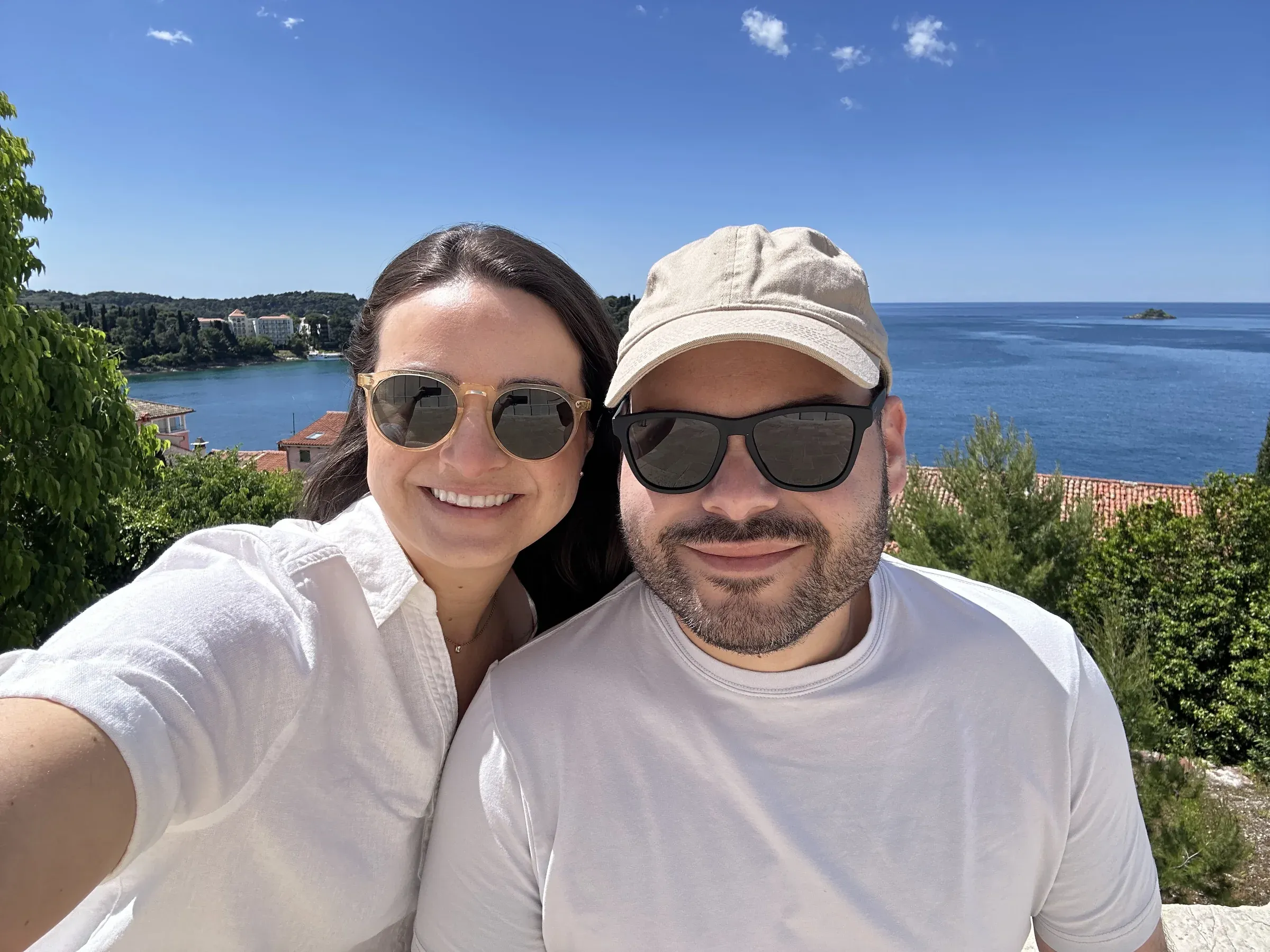
The honest note on tender ports: they add a touch of friction at the busy hours, so go ashore early or late and skip the mid-morning queue. On a higher suite tier the disembarkation timing eases, which is one of the small things I sort for clients before they sail.
Ancona, and a lunch worth the afternoon
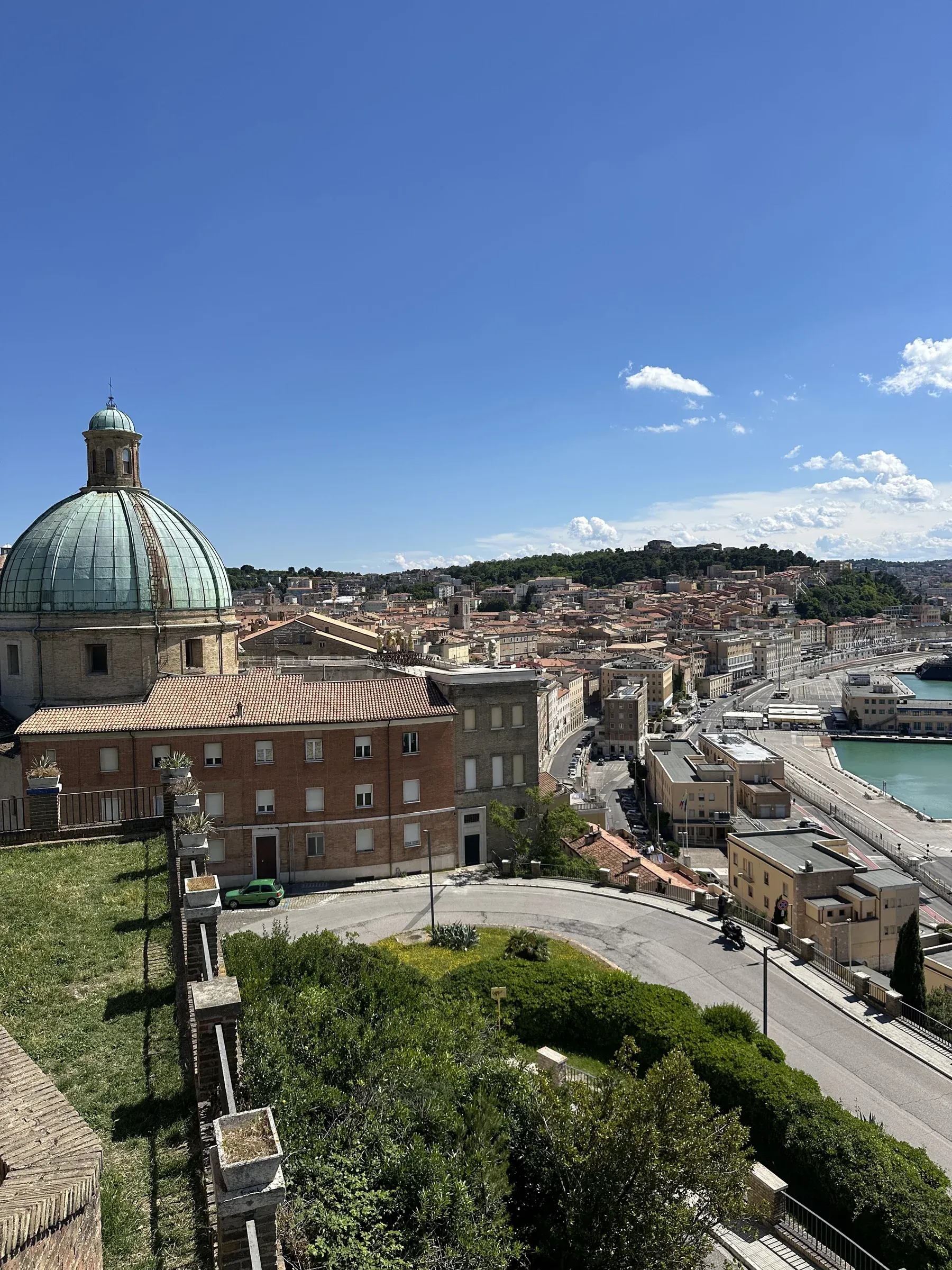
Back across the Adriatic to Ancona, on the Italian side, a working port with a great domed church, the Cattedrale di San Ciriaco, planted on the headland above the harbor. We walked up to it for the view, then walked back down for the part of the day I actually remember, which was lunch.
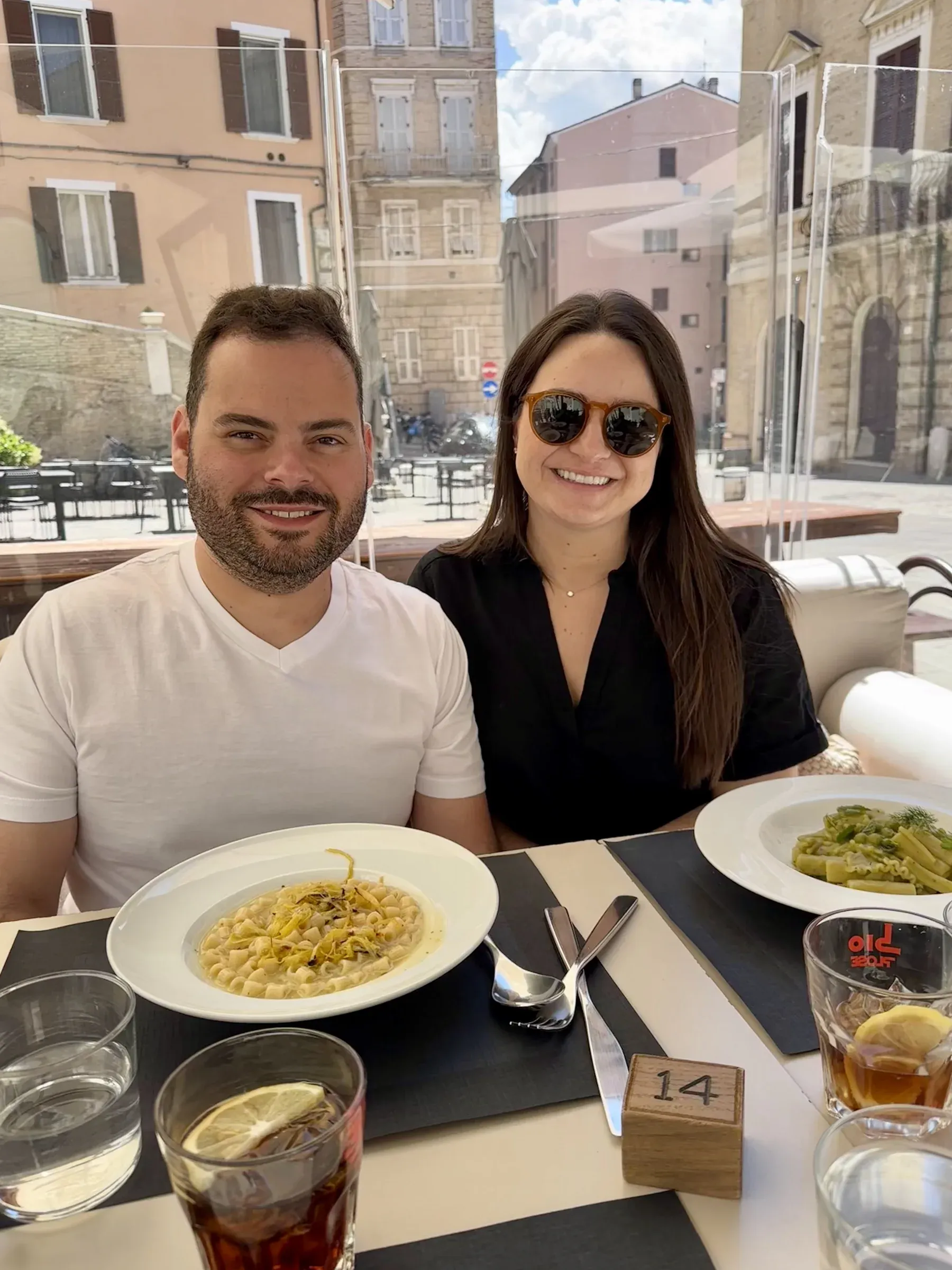
This is the argument for sailing Italy: you can have a two-hour pasta lunch at an outdoor table, no plan, no rush, and be back aboard by the time the ship wants you. We did exactly that. I won’t reach for a big adjective. I’ll tell you the pasta was made that morning and we sat there long enough to watch the light move.
Dinner aboard, the sea out the window
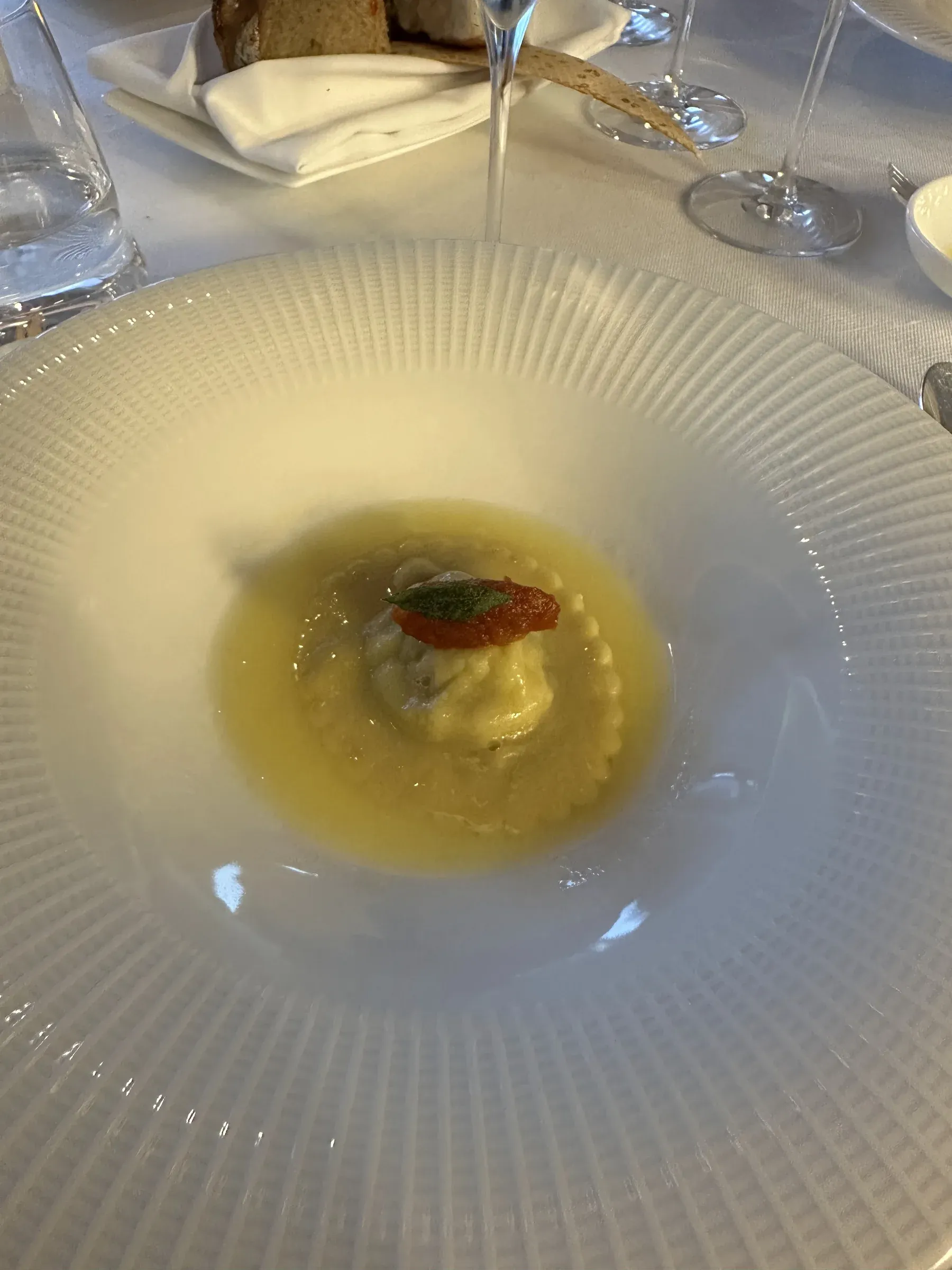
A word here about how you eat on this ship, because it’s central to why a skeptic comes around. There’s no main dining room, no assigned table, no fixed seating time. You pick a room and a time each night, the way you would in a city you like, and most of the rooms are in the fare. We rarely ate the same way twice.
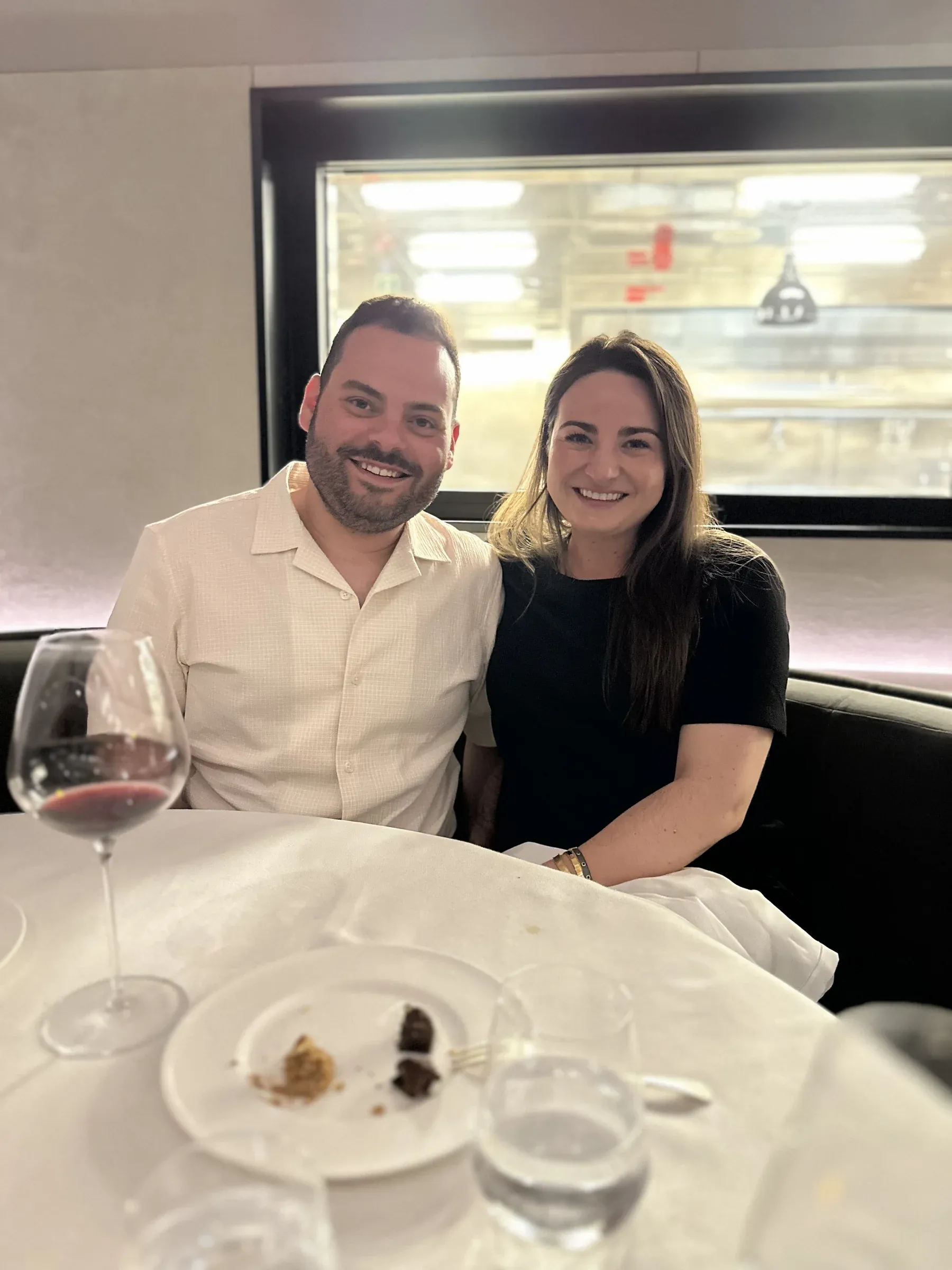
Some nights it was a proper sit-down with the sea going dark out the window; other nights, dinner on an open deck over the water. The kitchen, run under Franck Garanger, executed across a week for a table that included people who are hard to please, which is the harder thing to do than any single show-off plate.
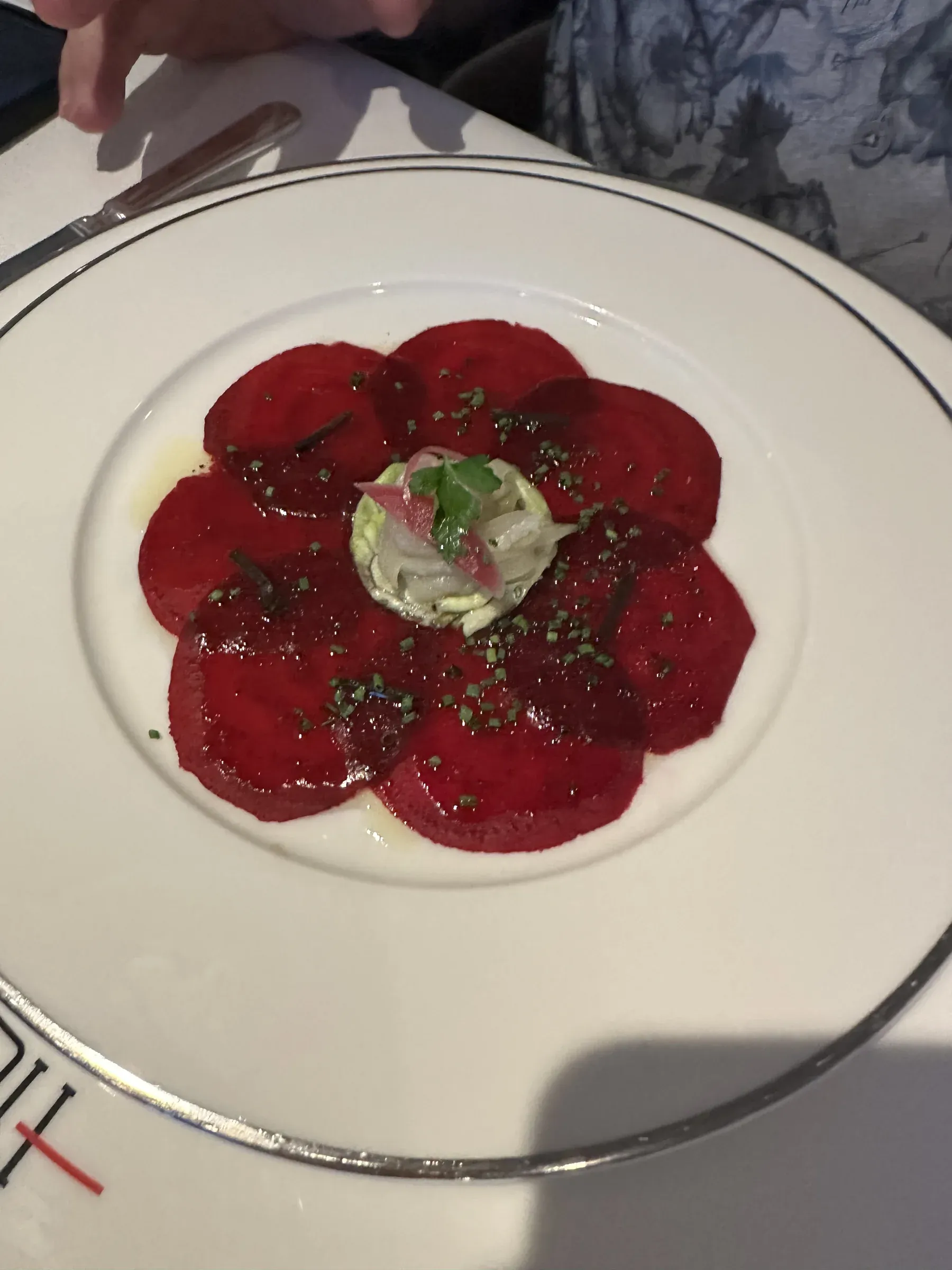
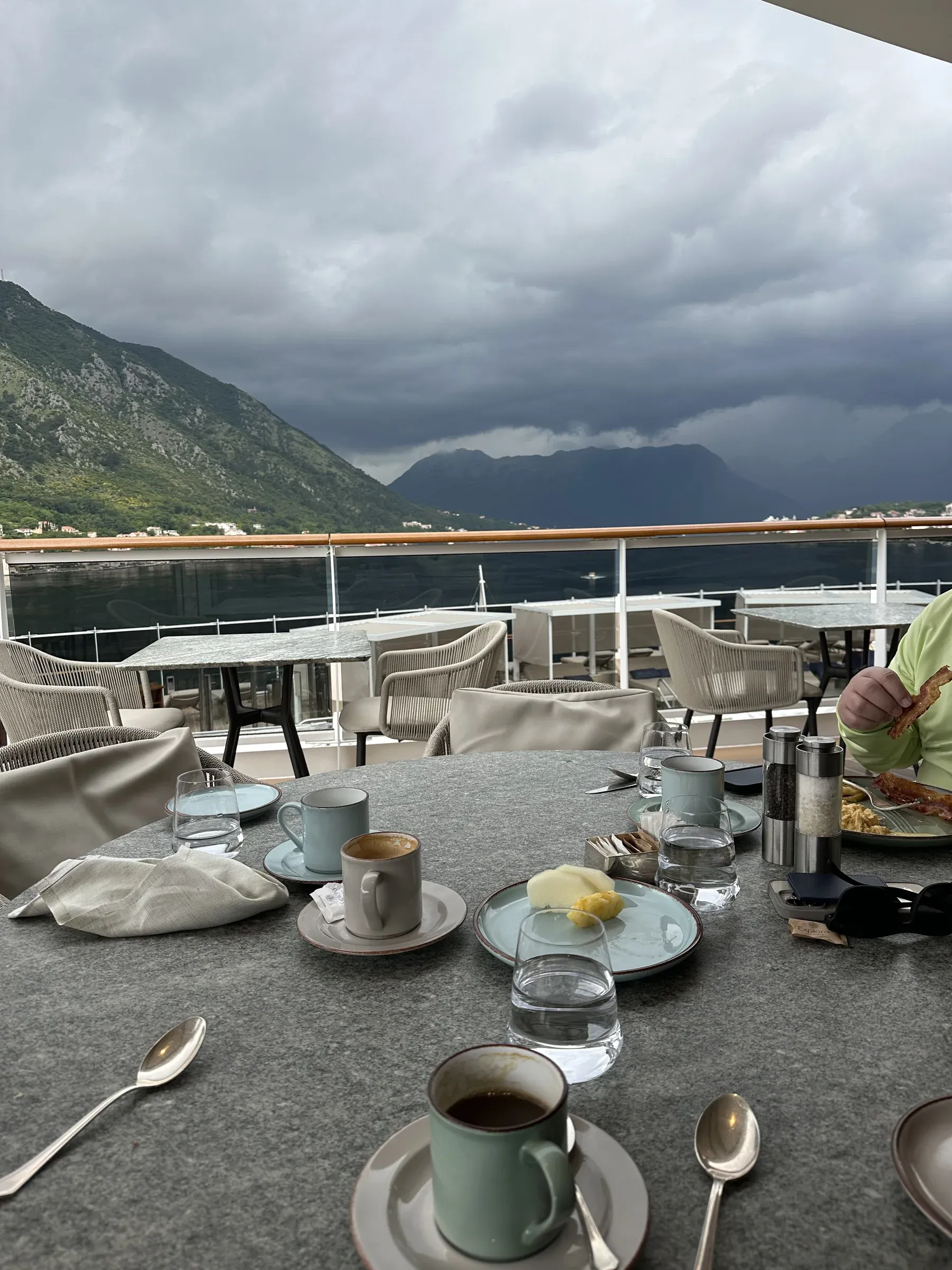
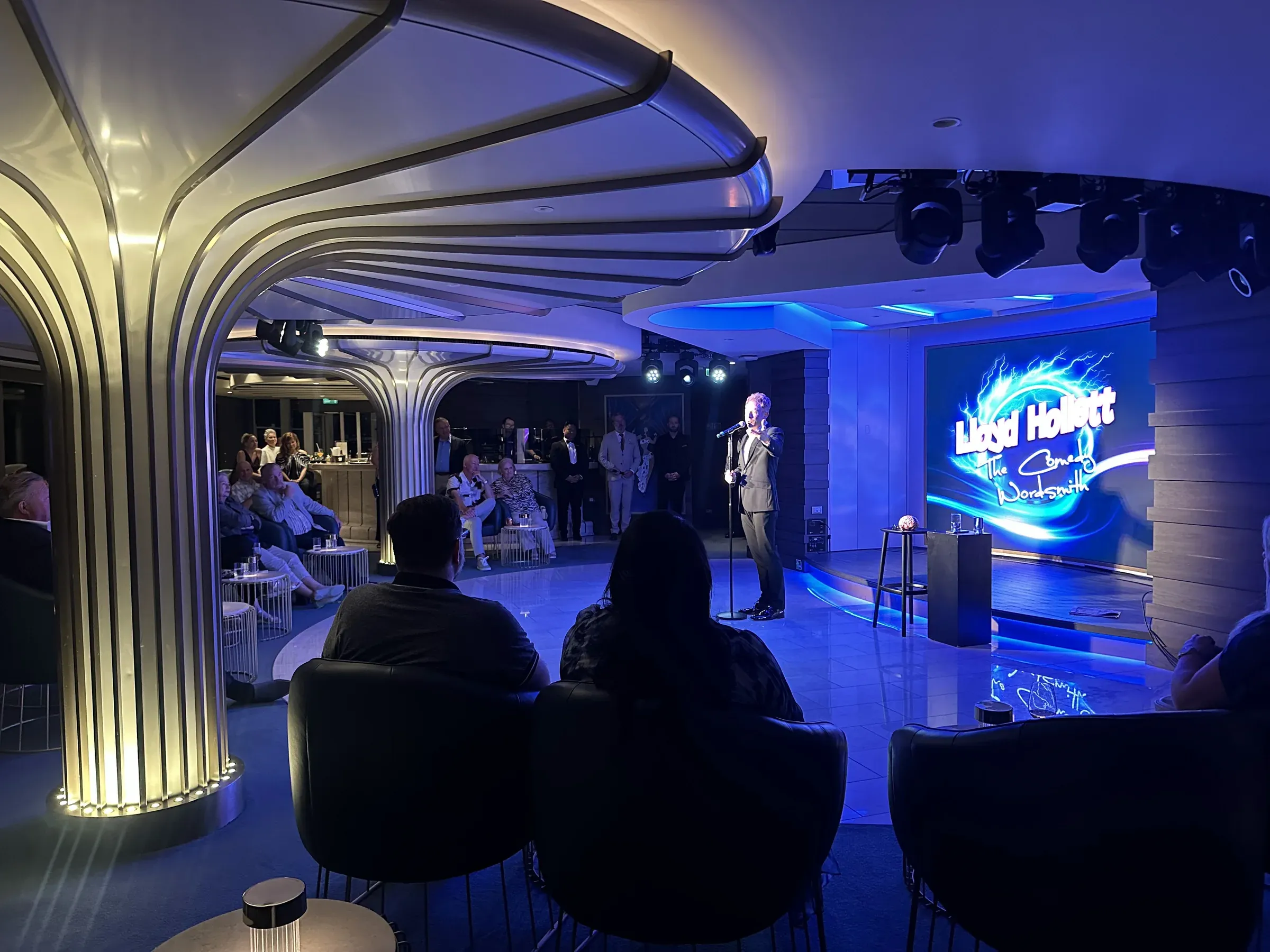
And then dessert, and the slow part of the evening that this ship is actually built for. After dinner the public rooms stay quiet and low-lit. There’s a bar with a sculptural column lit blue, a bright lounge that holds the last of the sea light, and not much pressure to be anywhere.
Bari, and the long day inland
Bari is the port, but Bari is not the point. The point is what’s behind it: Alberobello and Matera, the two reasons to take this call. You want a private guide and you want to commit to the drive, because both are an hour or more from the dock and doing them well takes the day.
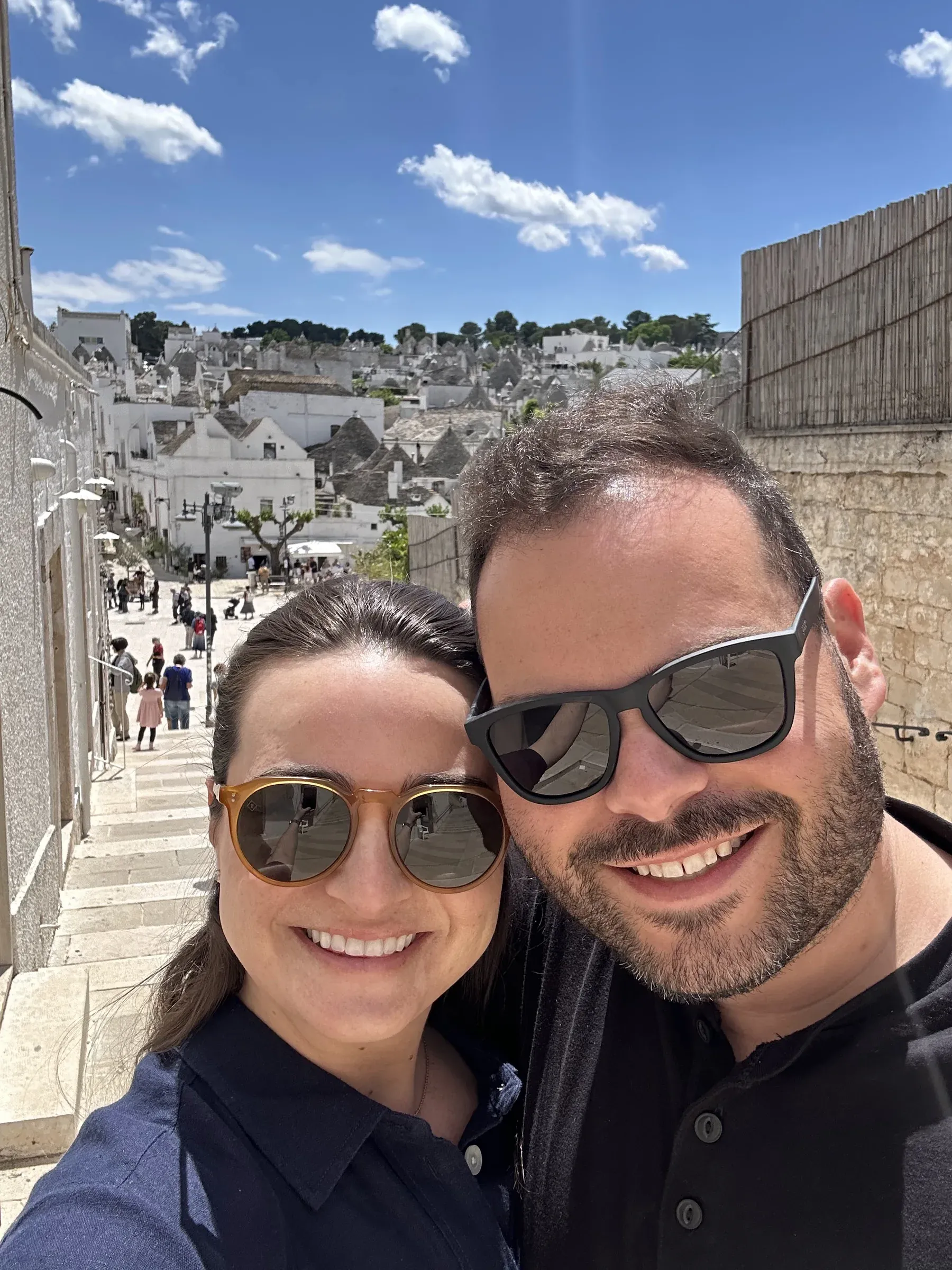
Alberobello first: a whole town of trulli, the conical limestone-roofed houses you don’t quite believe until you’re standing in a lane of them. Then the long way over to Matera, where the Sassi, the old cave dwellings, spill down a ravine, and the rock-cut churches inside still hold their frescoes.
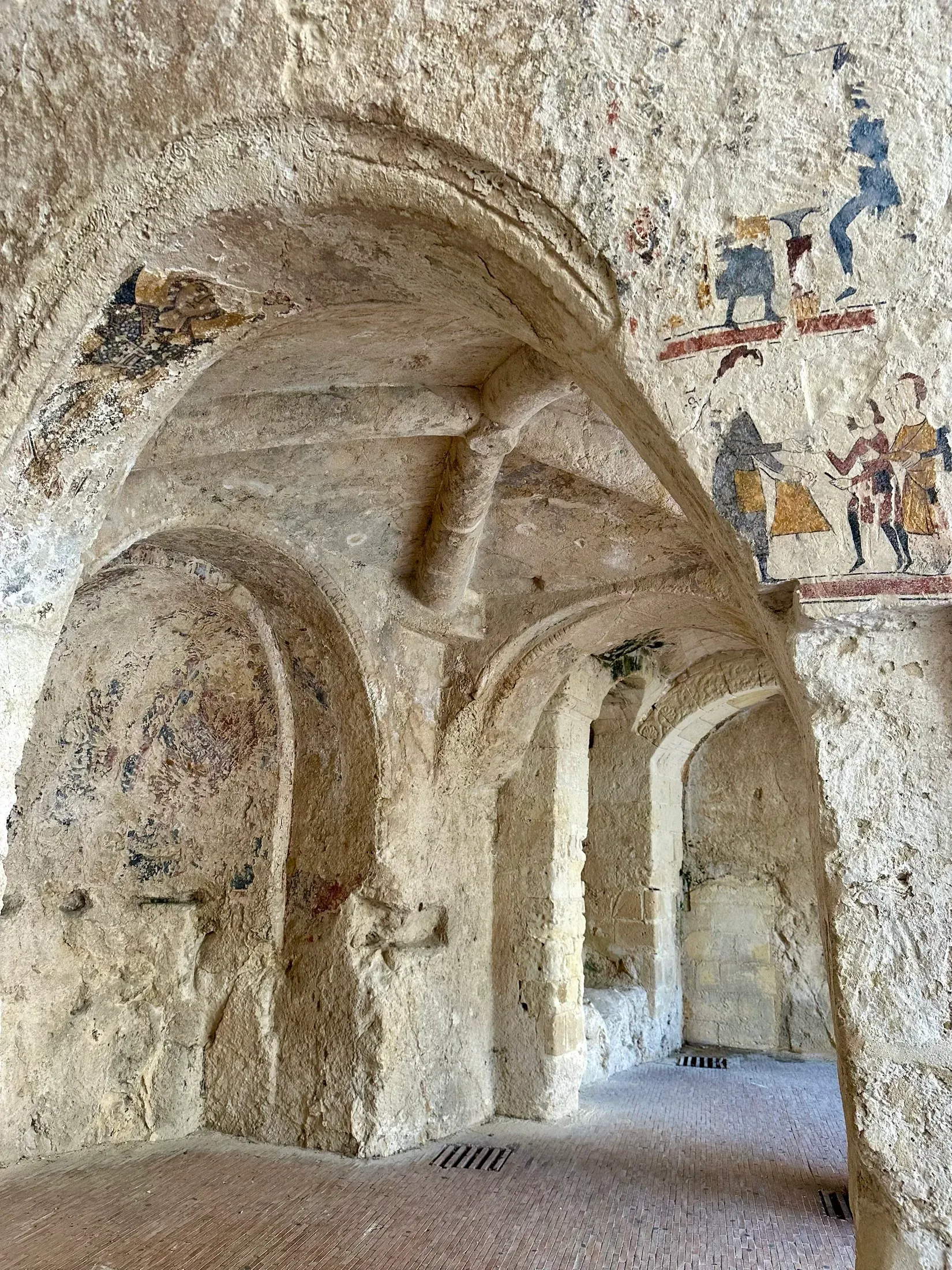
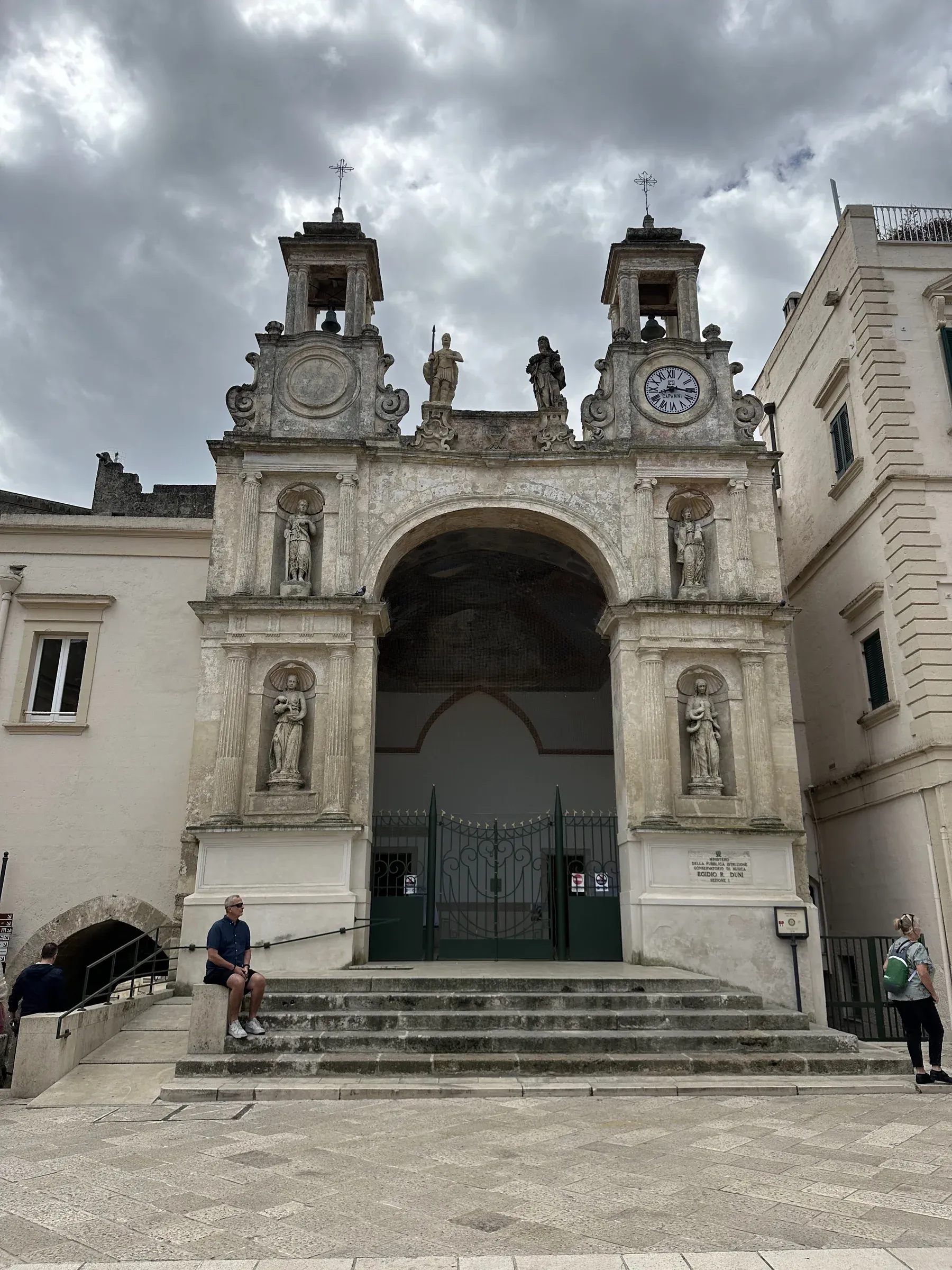
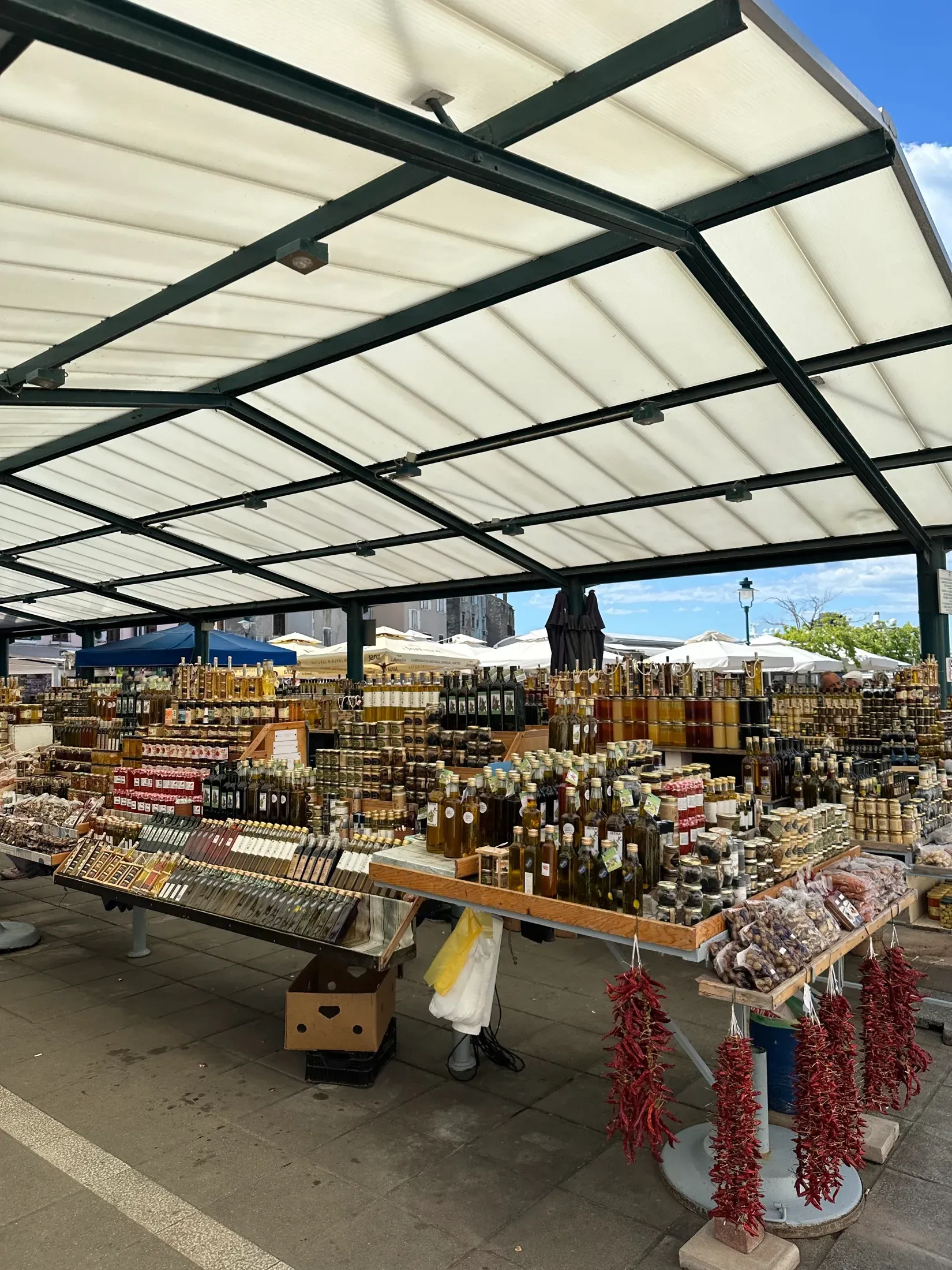
The honest advice, learned the hard way: don’t try to do both properly in one port day. It’s a long day either way, and you’ll do one of them justice. I tell clients which one fits their pace before they book the excursion, and most of the time the answer is Matera. We did manage a market morning in town too, the olive oil and dried chillies and honey stacked at a stall, which is its own small reason to leave the ship. I wrote that day up on its own, in a shore-day guide to Alberobello and Matera from Bari.
A sea day, earned
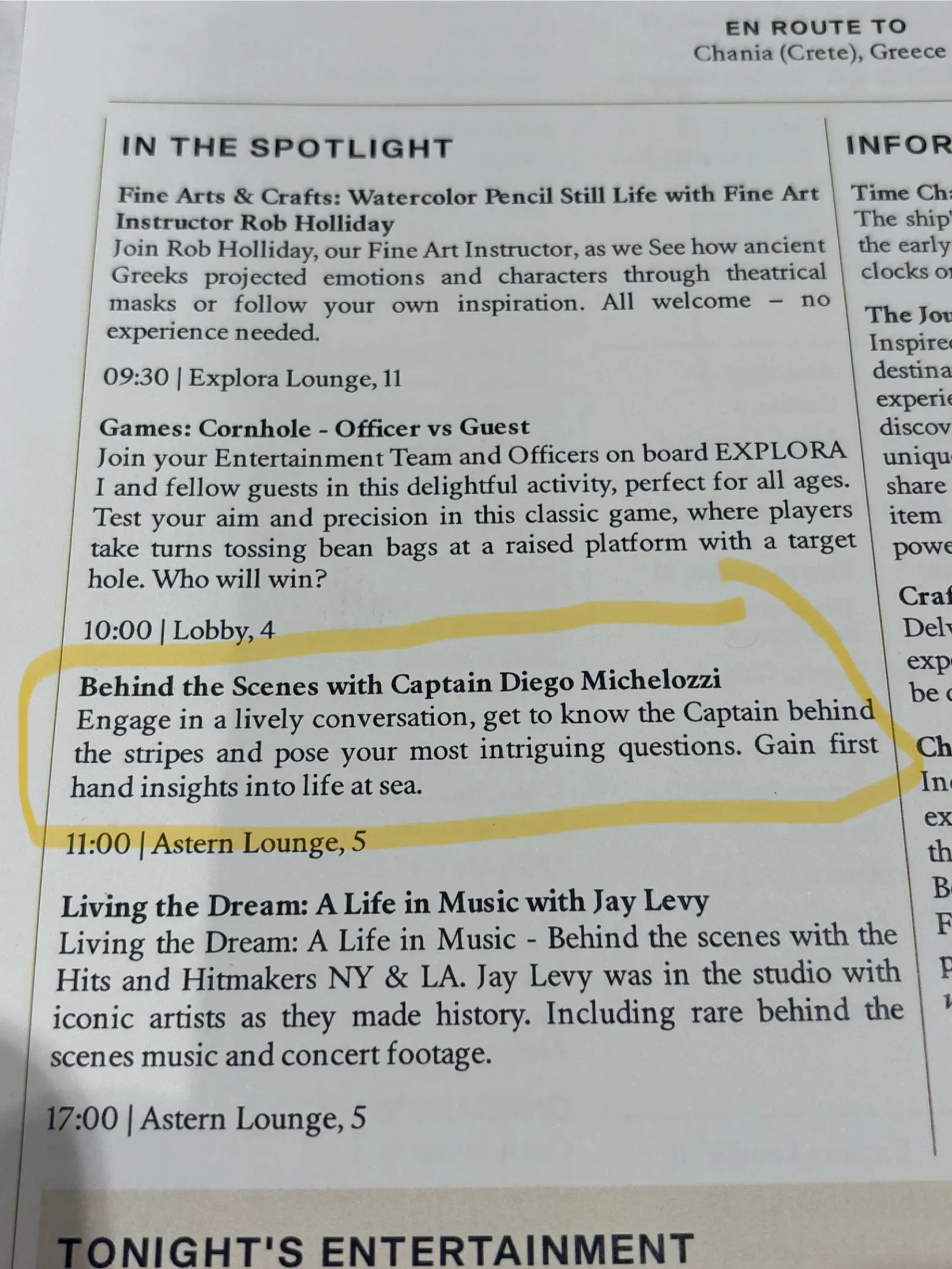
Between Bari and Montenegro we had a day at sea, and after the inland marathon I was glad of it. This is where the ship gets to be the destination. The daily program lands the night before, printed, with the day’s reasons to get up, and you can ignore all of them.
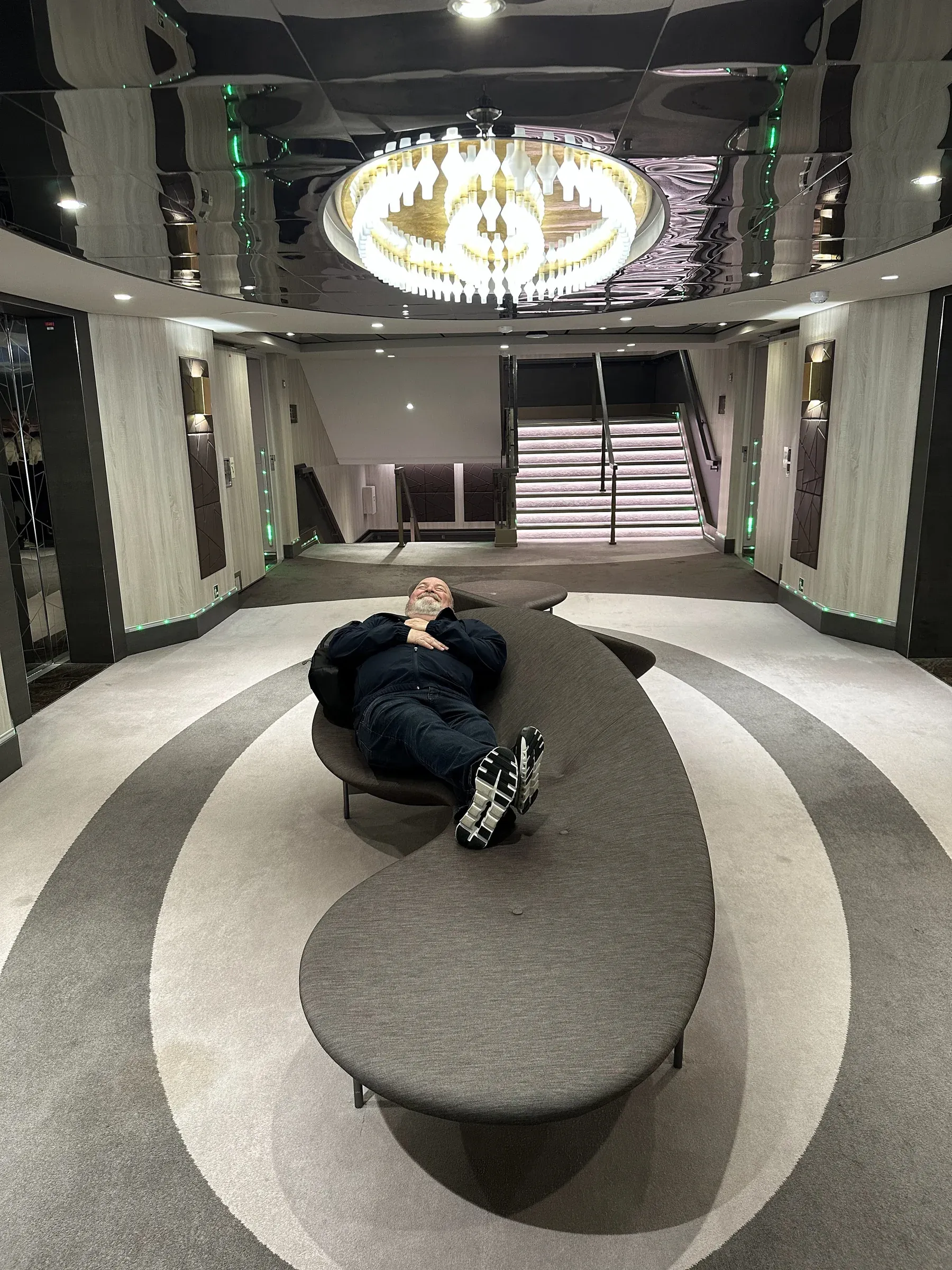
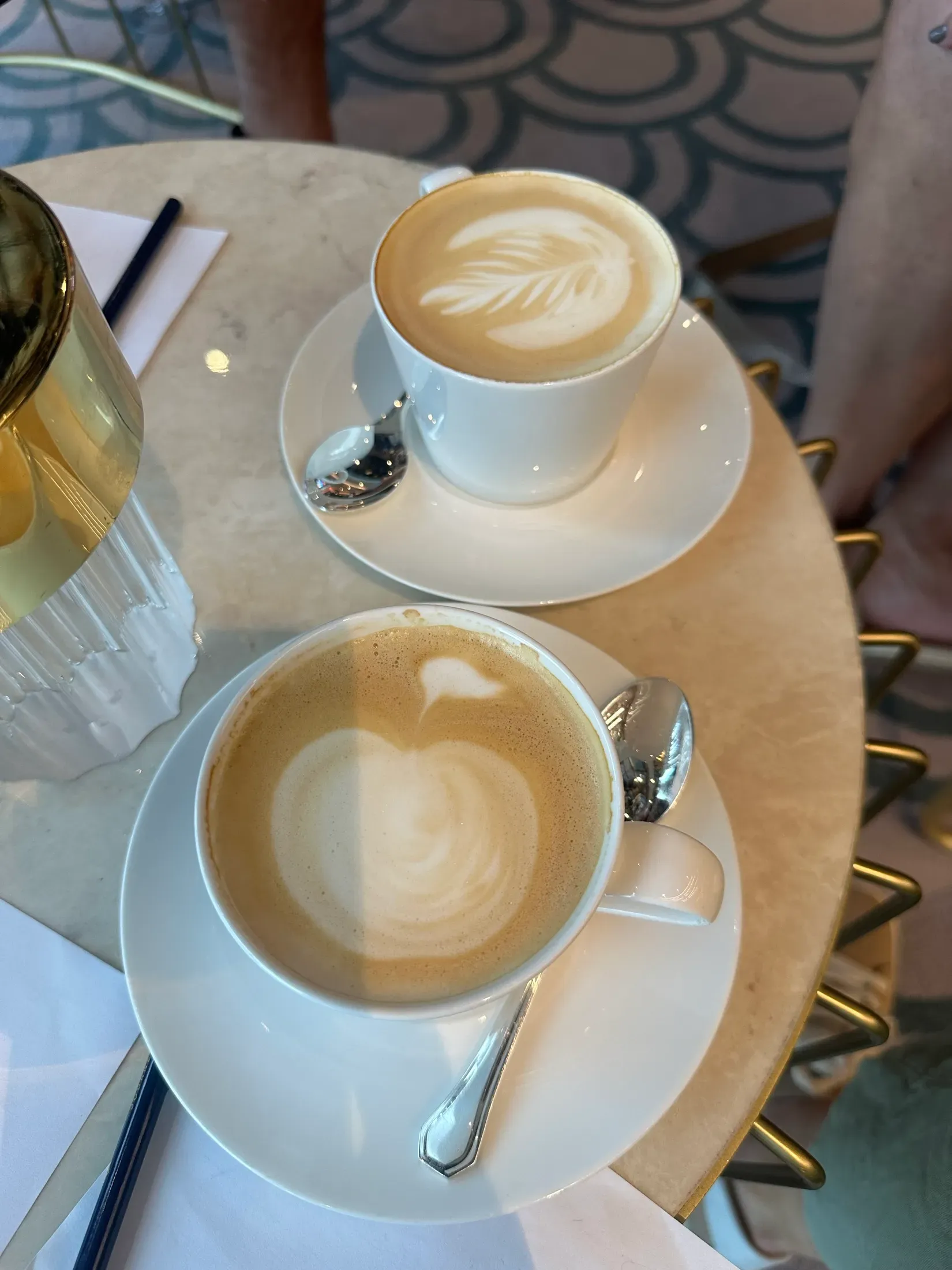
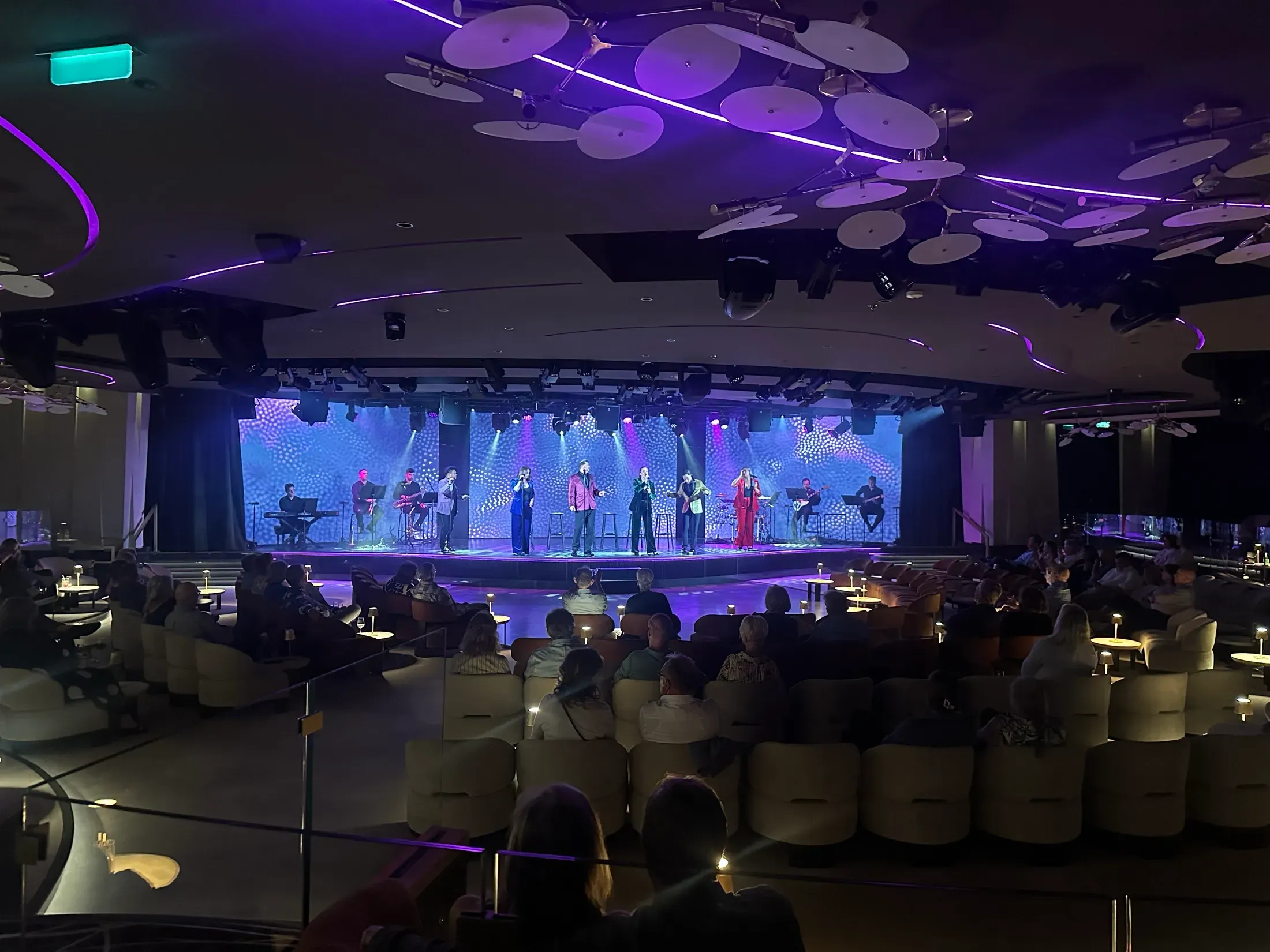
I’ll be straight about the weakest part of the product, because a guide that only flatters the ship is no use to you. The evening entertainment is thin: there’s a nightly show and it’s pleasant, but it’s a lounge act, not a West End production, and if a big nightly spectacle is what you want from a holiday, this isn’t the ship for it. What the ship is built for instead is the quiet: the atrium under its disc chandelier, a coffee that’s properly made and never metered, and the long unhurried afternoon.
Late in the day I usually ended up somewhere with a view, alone for a bit, watching the sun go down over flat water. That’s the part of cruising the skeptics never picture, because nobody puts it on a poster.
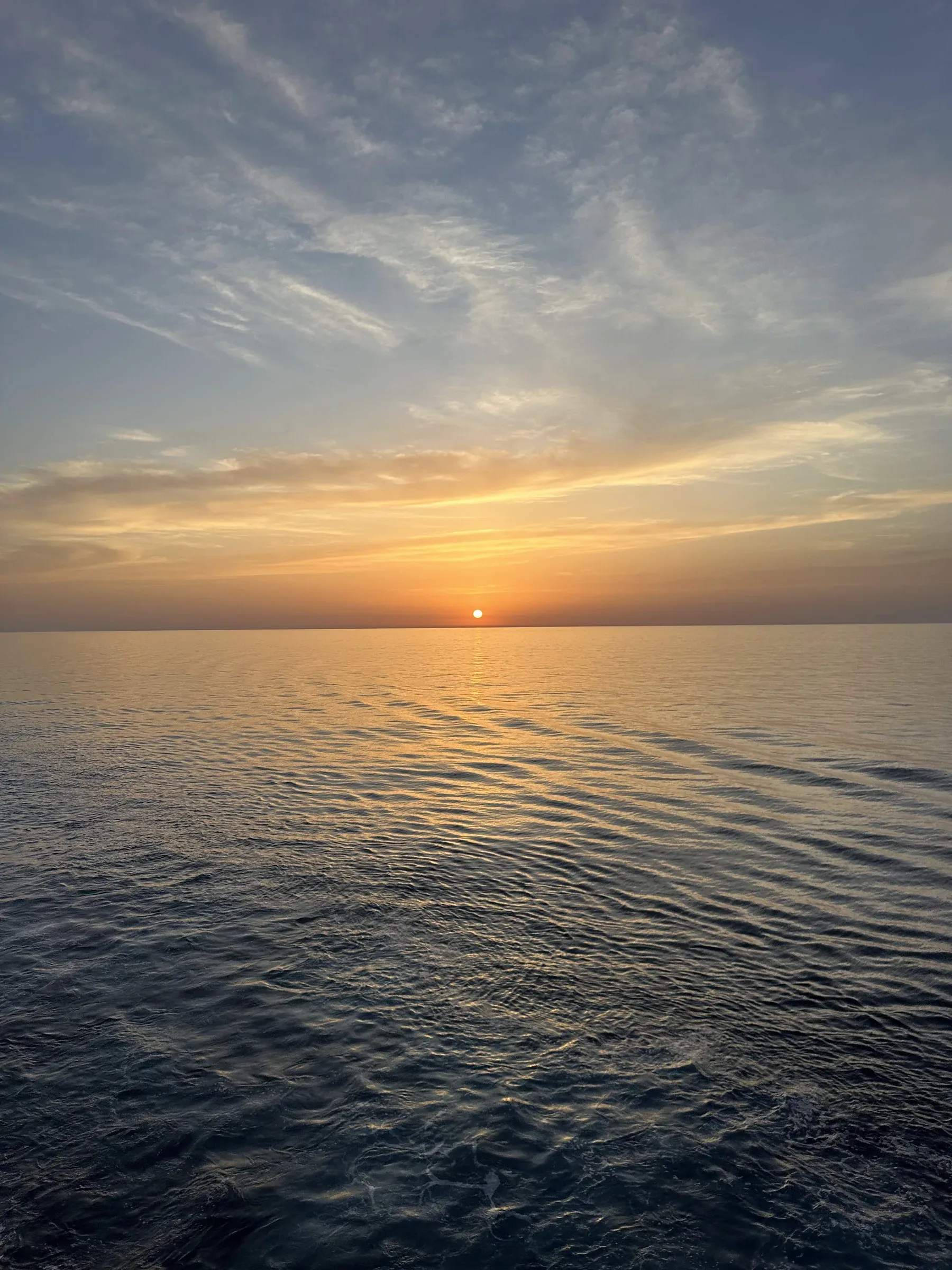
Kotor, into the fjord at dawn
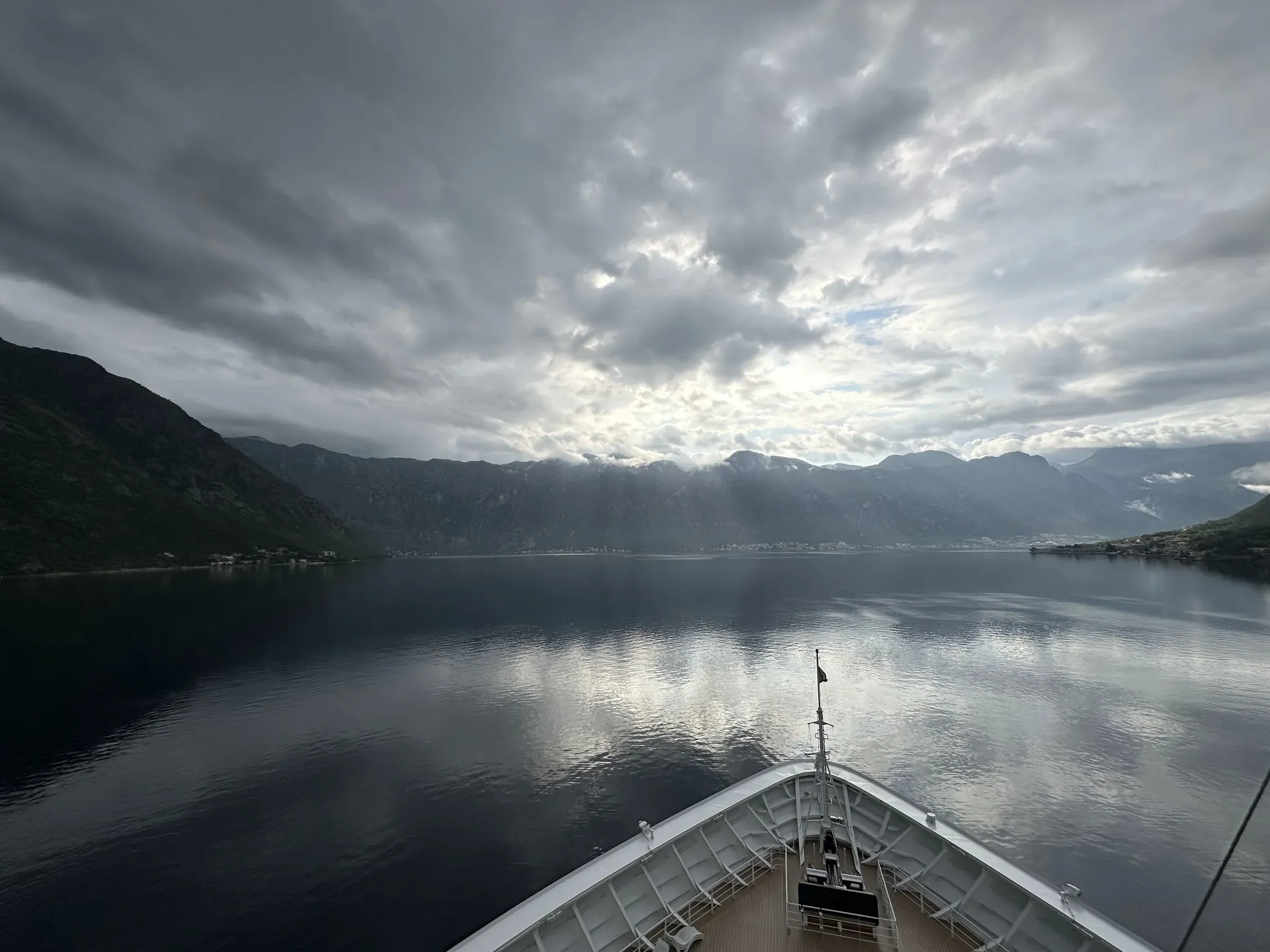
I set an alarm for one port on this whole sailing, and it was this one. You enter the Bay of Kotor early, threading a long flooded canyon between mountains that come straight down to the water, and on our morning the mist was still sitting halfway up the peaks. I went up to the rail in the cold with a coffee and didn’t say much.
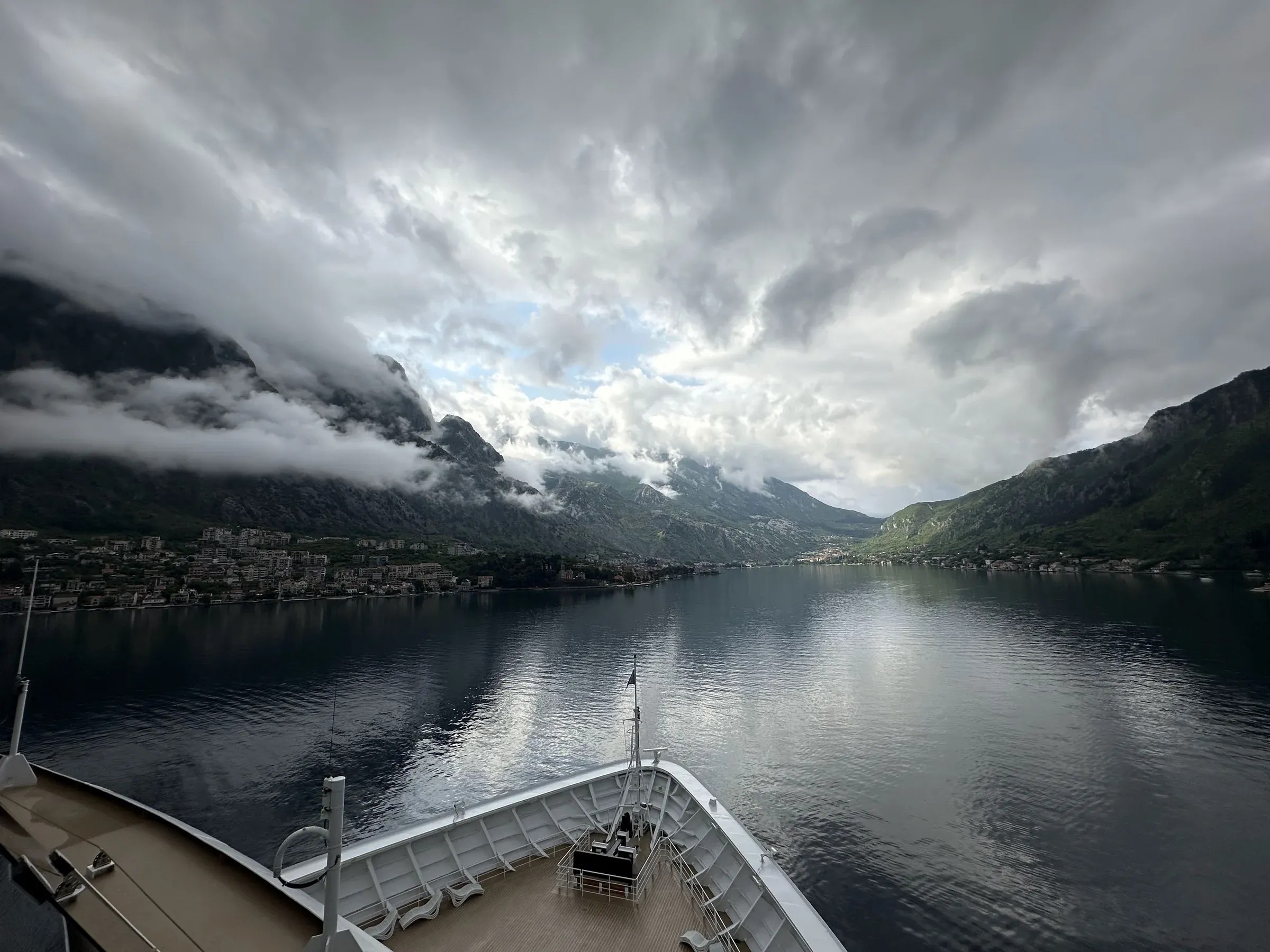
This is the single most cinematic approach of the week, and it’s the kind of thing the small ship does better than anyone: Explora I is the right size to feel like she belongs in that bay rather than overwhelming it. Here’s the run in, because no photo holds it.
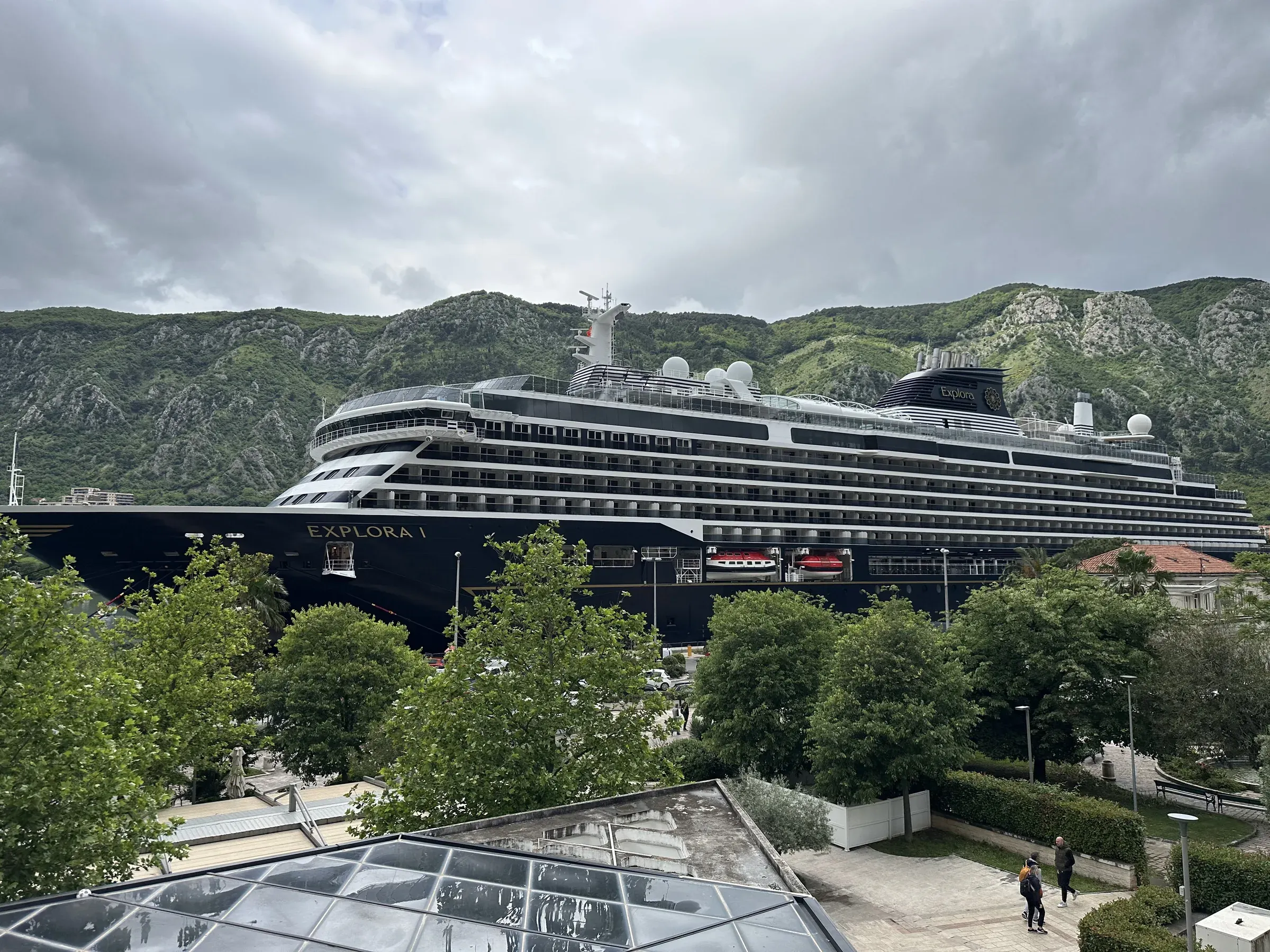
The old walled town of Kotor sits at the head of the bay with a fortress wall running improbably up the mountain behind it. We climbed part of it for the view back down onto the ship and the water, then spent the rest of the day in the stone lanes inside the walls, which stay cool even when the day doesn’t.
The last evening, back toward the lagoon
You leave Kotor in the afternoon and turn north for Venice, and the last evening at sea is the one I’d protect on any sailing. The light goes long and gold off the terrace, the week settles, and there’s nowhere you have to be.
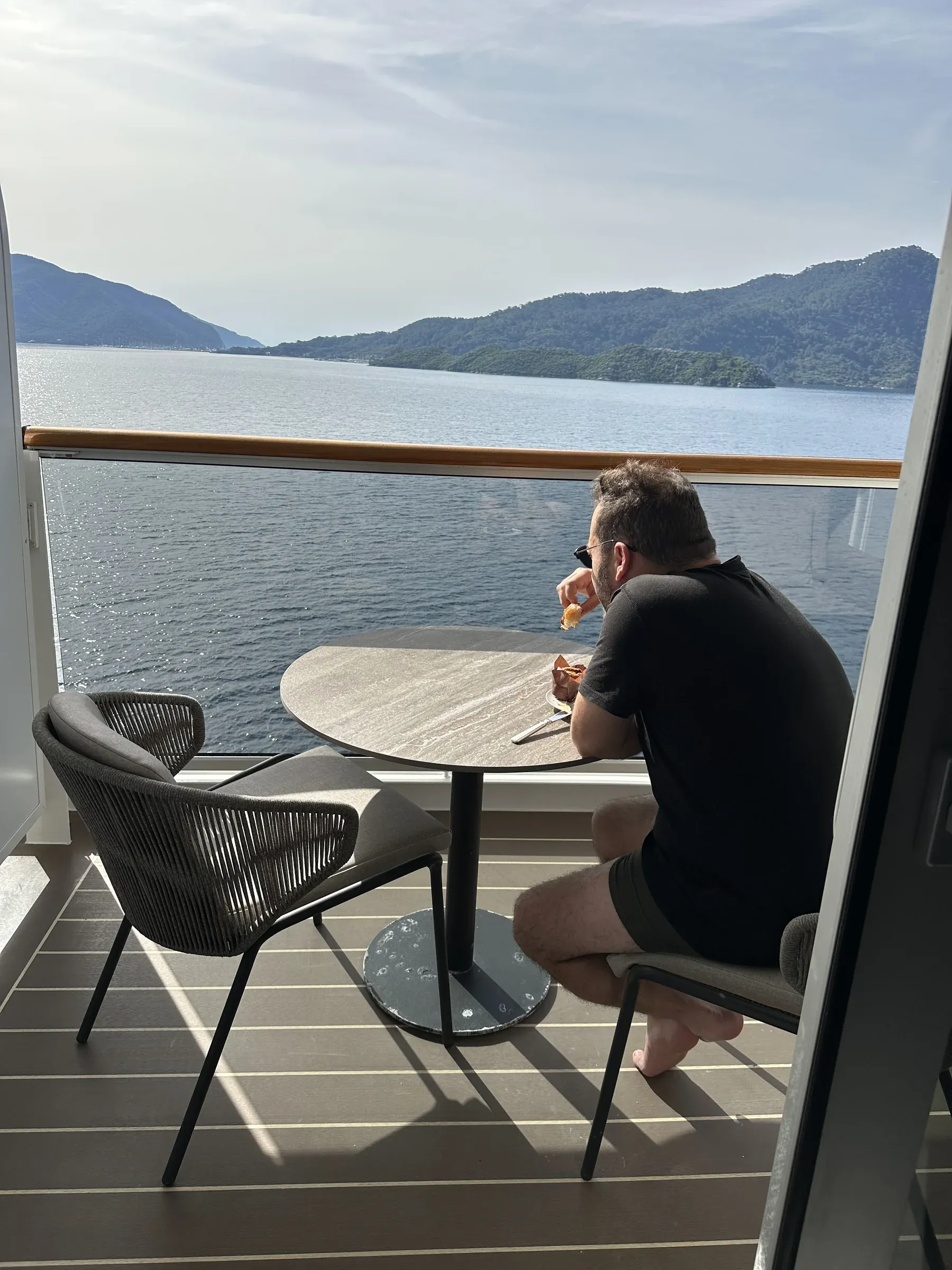
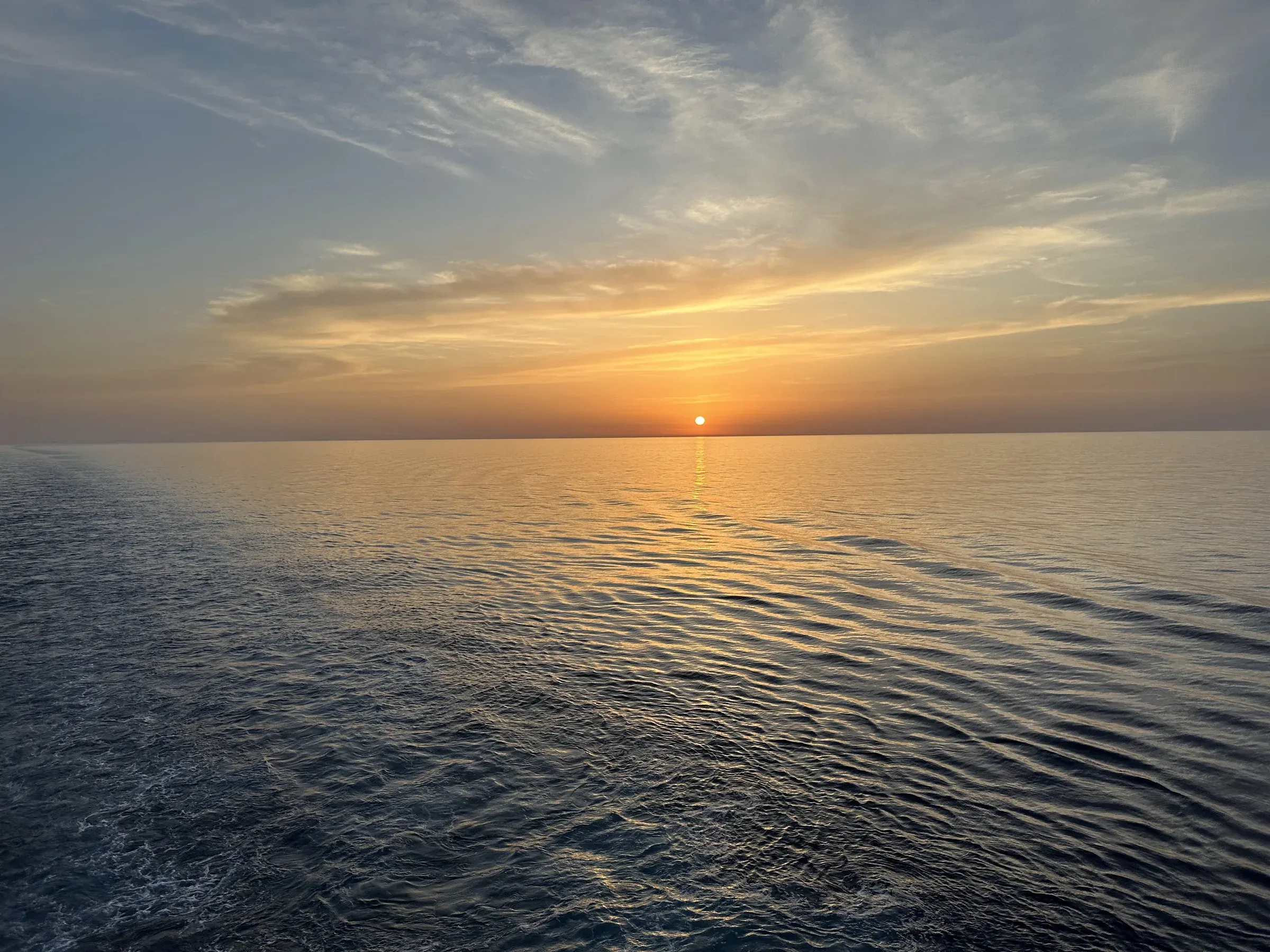
I spent it the way I spent most of the quiet hours: with a view, a glass of something, and the bow opening the water ahead. The terrace, in the end, was the room we used most, which tells you what kind of ship this is.
What I’d tell you before you book this one
The Adriatic out of Venice is a port-dense route, which is its strength and the one thing to plan around. You go ashore most days, and the towns do real work, so the itinerary matters more than the nightlife aboard. Rovinj is a tender port, so plan your morning. Bari is a choose-one day, Alberobello or Matera, not both at a sprint. May, like we sailed, is the kind window before the summer heat settles into the stone.
The suite is the part that travels straightest from a great hotel, and the part most worth getting right, because on this ship you live on the terrace. Which category earns its premium on this particular sailing, and which two don’t, is exactly the call I make for clients. The fare is identical whether you book direct or through me, so the difference is that someone who has anchored off Rovinj and run into Kotor at dawn is setting up your week.
If you’re weighing the Adriatic, or Explora at all, my full verdict on whether Explora is worth it is the place to start, and the dining write-up is the companion to this one. When you’re ready, send me your dates and the suite tier you’re considering. I’ll have live pricing in your inbox within two hours, no call required.
Questions people ask
What is an Adriatic cruise on Explora I actually like? I sailed eight nights round-trip from Venice in May, calling at Rovinj in Croatia, Ancona and Bari in Italy, and Kotor in Montenegro. It is a port-dense route with short overnight hops, so you wake up somewhere new most mornings and the sea days are few. The ship carries up to 922 guests, all-suite and all-oceanfront, so it reads more like a small floating resort than a cruise. The honest caveat: this is a coastline you go ashore for, so the itinerary does more of the work than the nightlife aboard.
Is Explora I a tender port at Rovinj? On my sailing, yes. The ship anchored off the old town of Rovinj and we went ashore by tender, which on a calm Adriatic morning was a five-minute hop. Tender ports add a little friction at peak hours, so I’d go ashore early or late rather than in the mid-morning rush, and on a higher suite tier the disembarkation timing is gentler.
Can you see Matera and Alberobello from an Adriatic cruise? Both, from Bari, but you need a private guide and a willingness to drive. Alberobello’s trulli are about an hour from the port, and Matera’s Sassi and rock-cut churches are roughly ninety minutes the other way. Doing both in one port day is a long day. I’d pick one to do properly rather than rush both, and I tell clients which one fits their pace before they book the excursion.
What is the best time to sail the Adriatic on Explora? I sailed in May and the weather was kind: warm afternoons ashore, cool mornings on deck, and the heat had not yet settled into the stone towns. May and late September are the two windows I’d point a client toward for this coast, ahead of the July and August heat. The shoulder months also keep the smaller ports, Rovinj especially, from feeling crowded.
— Justin